Preventing data loss during major updates to platforms like GitHub or Salesforce requires a manual audit of the custom integration logic. Dedicated DevOps attention is required to manage the compute resources for spikes in workflow execution. Your team becomes responsible for the encryption, credential rotation, and audit logging of every connected third-party token when you hand-roll an automation layer. Talent is diverted from high-leverage features to low-value plumbing by these hours. This slows down the delivery of new product value and increases customer acquisition costs. ## Architecture determines the reliability of embedded automation workflows Whether your product scales gracefully or collapses under its own synchronization logic is dictated by the architectural foundation of your automation engine. Querio reports that while a specialized platform like Qrvey requires only 3 weeks to implement embedded components, a more rigid legacy provider such as Sisense demands 11 weeks of engineering time, which means businesses choosing the latter face a two-month delay before their analytics are functional. 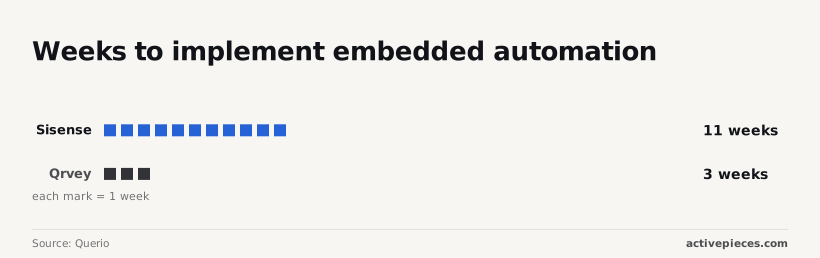 Two full sprints of lost product innovation are represented by this 8-week delta. This leaves your development team significantly behind schedule before they even begin building core features. ### Webhooks vs polling vs event triggers compared Immediate data delivery must be balanced against the operational tax on your internal services when selecting a trigger strategy. This table compares the trade-offs of the three primary architectures to show how each impacts system stability and user experience. | Architecture | Latency | API Load | Reliability Profile | | :--- | :--- | :--- | :--- | | Polling | High | High | Predictable but resource-heavy | | Webhooks | Low | Low | Vulnerable to traffic bursts | | Event-Driven | Real-time | Minimal | High infrastructure complexity | A trade-off between user satisfaction and system health is forced by choosing the wrong path. When a user waits a full minute for a "real-time" sync due to a 60-second polling interval, they often file unnecessary support tickets for perceived system lag. ### OAuth and JWT authentication for workflow engines An identity layer that persists through credential rotations without manual intervention is required to securely connect your users to third-party services. By using JSON Web Tokens (JWT), your backend can issue stateless, short-lived tokens to the frontend. Even if an attacker intercepts a client-side session, they have a window of less than an hour before the token expires. You must implement a refresh token flow that handles expired secrets automatically when integrating with external platforms like the GitHub developer API. This ensures your customers never experience a "disconnected" state that halts their critical business workflows. 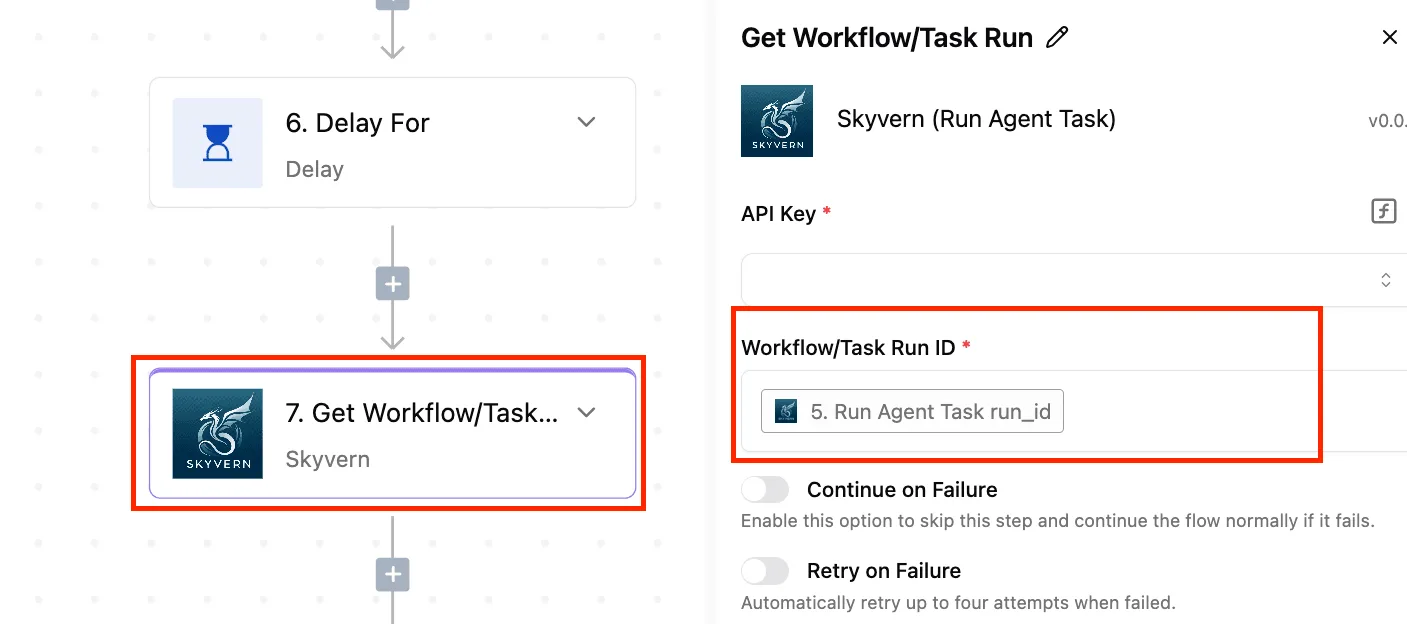 ### Error handling and automatic retry logic requirements Sophisticated retry strategies are required for reliable automation, which must assume that every external API will eventually fail. Implementing exponential backoff (where the system waits 2, 4, then 8 minutes between attempts) ensures you don't trigger rate limits on a third-party service that is already struggling, so your integration avoids being blocked during critical recovery periods. A single failed request in a high-volume sync can vanish silently without a centralized dead-letter queue. Your support team will then spend hours manually reconciling data gaps that should have been caught by an automated alerting system. 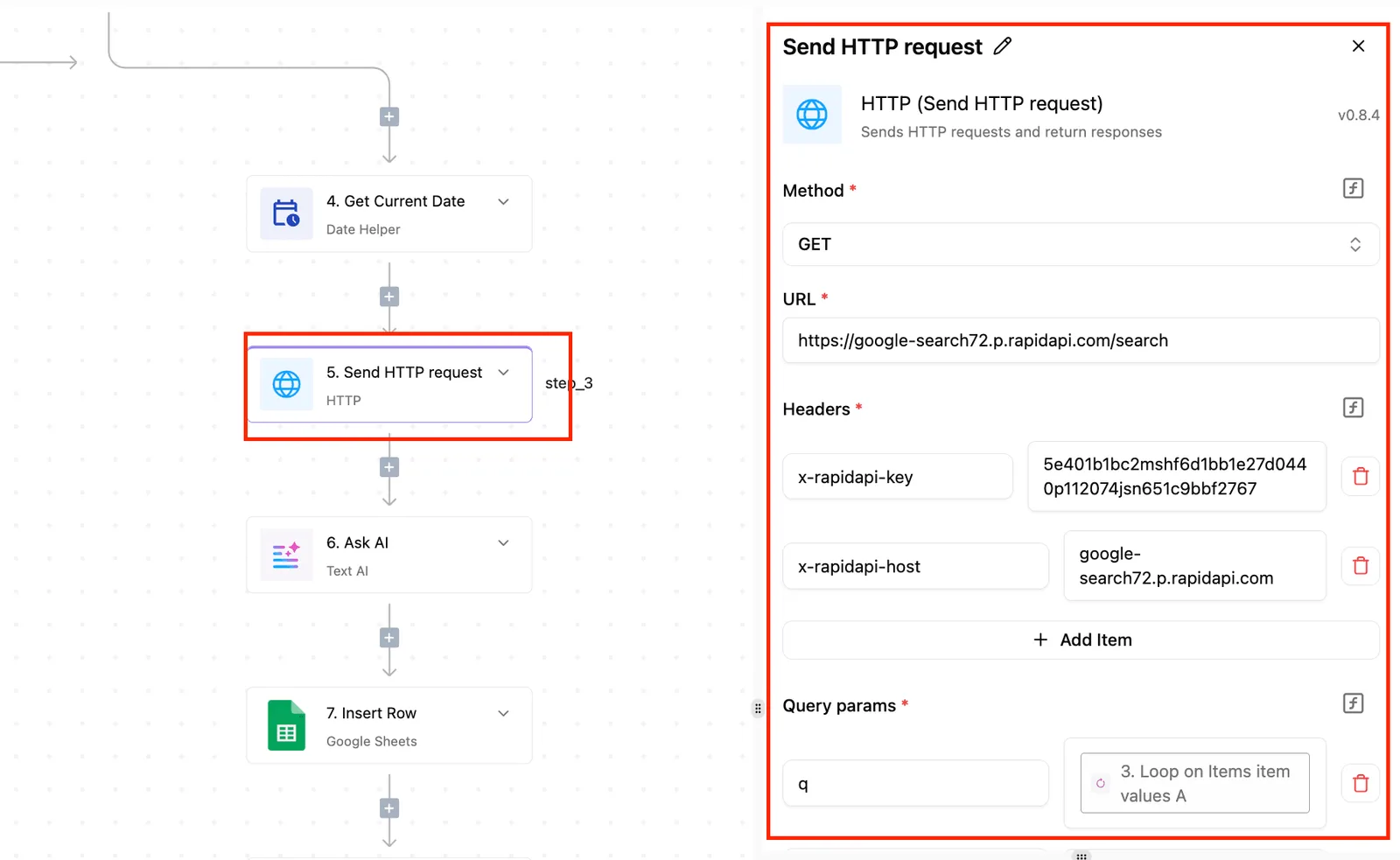 ## How to evaluate engine ownership costs **Unpredictable engineering overhead transforms into a predictable line item on the balance sheet when you choose a managed or open-core engine.** This prevents customer-facing features from stalling due to backend scaling bottlenecks. ### Infrastructure costs for high-volume event processing Managing worker queues and state persistence for bursty event traffic requires a dedicated DevOps commitment. When a platform processes thousands of concurrent webhooks, the DevOps team must tune the underlying message broker (such as RabbitMQ for task queuing or Redis for ephemeral state management) for high availability to prevent data loss during peak loads. The burden of resource provisioning shifts to the provider when you offload this to a licensed engine. This allows the internal team to focus on core product differentiation. ### The developer experience: UI builders vs. headless APIs Whether the burden of workflow creation falls on engineering or non-technical product managers is determined by the choice between a visual builder and a headless API. A headless approach has total control over the user interface. It forces developers to build custom configuration screens for every new integration, which increases the time-to-market for each feature. Implementation speeds vary across modern platforms based on how much of the interface is pre-built. | Platform | Setup Speed | Customization Level | | :--- | :--- | :--- | | Querio (embedded analytics) | 2-4 weeks | Moderate | | Qrvey (embedded BI) | 2-4 weeks | Moderate | | Sisense (data platform) | 8-14+ weeks | High | The burn rate during the integration phase is directly impacted by this variance in deployment time. Critical for maintaining a competitive release cycle is selecting a solution that balances rapid setup with deep UI customization. ### Activepieces: An MIT-licensed core for white-label embedding Teams can self-host their automation engine while maintaining full control over data residency and security via the Activepieces MIT-licensed core. A flow that lives only in a vendor's UI was never actually reviewed, so Activepieces syncs flows to git and promotes them through Release Management from test to production. This ensures that promotion is a deliberate, versioned step rather than an accident of clicking "publish," a capability detailed in the Activepieces documentation for Git Sync. JWT-based user provisioning and comprehensive template management are included in this enterprise-grade tier. Customers can build their own automations without leaving your application. Teams should consult the [Activepieces sales page](https://www.activepieces.com/sales) for custom embedding terms or review the [public pricing page](https://www.activepieces.com/pricing) for standard self-serve and cloud options. 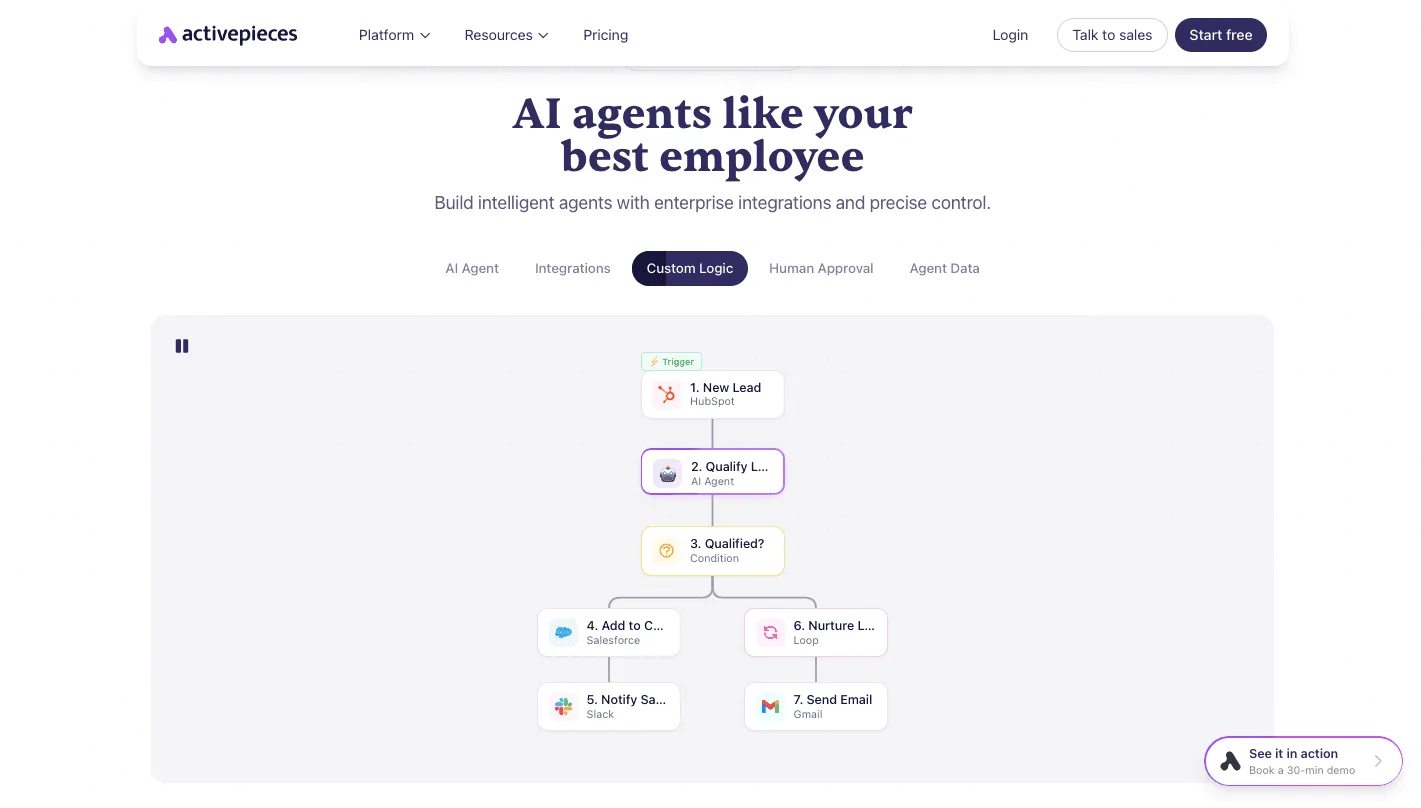 ## Migration plan for moving to a licensed engine A structured handoff that preserves uptime is required when executing a migration to a licensed infrastructure component. This transition ensures that engineering resources are redirected from debugging webhook listeners to shipping core product features. The following checklist is a technical roadmap for teams ready to sunset their legacy automation code. 1. Audit existing custom connectors. 2. Map data schemas to engine-native formats. 3. Set up **99.95% SLA monitoring**, meaning your team must be prepared to address any downtime that exceeds roughly four hours over the course of an entire year. 4. Redirect webhooks to the new engine endpoint. Data integrity is maintained during the cutover by following this sequence. Once these baseline steps are completed, the team can begin the granular work of separating logic and securing the environment. ### Mapping your most frequent API failure points The team can prioritize which connectors to offload to the engine first by identifying which external services trigger the most frequent retries. By analyzing logs from a service like Datadog, an observability platform, developers can see which third-party endpoints suffer from rate limiting or transient timeouts. Back-off and retry logic are automated by moving these brittle connections to the engine. This prevents a single API failure from cascading into an application-wide outage. ### Separating core product logic from automation workflows Strictly separating proprietary business logic from the plumbing of data movement is the key to a clean migration. Core product code should handle the system of record, such as user authentication or financial ledger updates, while the automation engine handles the notification and synchronization tasks.  The product team can update the user interface without risk of breaking background integrations thanks to this separation. The engine is an abstraction layer between the database and external APIs. ### Scoped API permissions for integration security Moving away from global API keys toward granular, scoped permissions is necessary for securing the new infrastructure. Using a tool like Vault, a secrets management service, ensures that the engine only accesses the specific data fields required for a workflow.  A vulnerability in a third-party integration is contained by implementing Least Privilege access at the engine level. This protects the broader customer database from unauthorized lateral movement. ## Frequently asked questions about embedded workflow engines Software teams can provide native automation capabilities to their end-users without the multi-year engineering overhead of building a logic builder from scratch by using embedded workflow engines. Teams preserve their runway for core product differentiation by offloading the execution layer to a specialized provider.  ### Can I self-host an embedded workflow engine? For teams that must maintain total data residency or operate within air-gapped environments, self-hosting is a standard deployment option. This architecture ensures that sensitive customer credentials and execution logs never leave your private infrastructure. This eliminates the third-party data processor risk inherent in purely cloud-based solutions. Docker-based deployments that integrate directly into your existing CI/CD pipelines are offered by most providers. This allows your DevOps team to manage scaling and updates using familiar container orchestration tools. ### How do embedded engines handle SOC2 and GDPR compliance? By providing audited infrastructure and granular data handling controls that would take months to build internally, licensed engines accelerate the path to compliance. Because these platforms are designed for multi-tenant SaaS environments, they include features for regulatory adherence. User secrets and API keys are protected from interception or unauthorized disk access by Encryption at Rest and in Transit. A permanent record of every configuration change and execution is generated by Audit Logging. This is primary evidence during a SOC2 audit. Satisfaction of GDPR "right to be forgotten" requests is handled by Data Retention Policies that allow for the automatic purging of execution history. ### What is the difference between an iPaaS and an embedded engine? Whereas an iPaaS is a standalone tool used by internal IT teams to connect company software, an embedded engine is a component of your own product’s codebase. The dashboard shown here illustrates the "Flows" management interface, where developers can organize customer-facing automations like the "Submit Contact Form" example. Product managers can track which integrations are driving the most user engagement through this visibility. While an iPaaS requires users to leave your app to build logic, an embedded engine keeps them within your UI, increasing product stickiness and reducing churn. ## Related reading - [Offloading Workflow Engine Traffic to S3 Using Pre-Signed Links](https://www.activepieces.com/blog/signed-urls) - [Embedded iPaaS: The Complete Guide for 2026](https://www.activepieces.com/blog/embedded-ipaas-the-complete-guide-for-2026) - [How to Build a Content Publishing Workflow](https://www.activepieces.com/blog/content-publishing-workflow) ## References - [Querio](https://querio.ai/articles/embedded-analytics-platforms-comparison-best)Maintaining a workflow engine is a recurring tax on your product roadmap, even if building it was a one-time capital expense.