A single afternoon of debugging can exhaust a developer's entire creative budget. In contrast, an automation-first approach using [Activepieces](https://www.activepieces.com) provides between [1,000 and 10,000](https://vercel.com/blog/updated-v0-pricing) tasks.  Teams can iterate on live business logic rather than just visual layouts. These figures show that v0 is optimized for visual polish. Alternatives are built for high-volume operational scale. Four core limitations define these constraints: the lack of persistent backend databases, the inability to install custom npm packages, vendor lock-in to Vercel infrastructure, and the **1.7x higher bug rate** in isolated AI components. ### The case for staying within the Vercel ecosystem Despite these limitations, v0 remains the gold standard for developers who prioritize design fidelity and immediate visual feedback. The platform is unmatched when a project requires pixel-perfect implementation of the shadcn/ui library or complex Tailwind CSS animations. The tight integration with Vercel’s edge network means that a component generated in v0 is instantly ready for high-performance global delivery. For teams already committed to the Next.js framework, the friction of moving code is virtually zero. The platform provides a specialized environment where the AI understands the nuances of the Vercel deployment stack better than any general-purpose tool. ### Moving from single components to full-stack applications To bridge the gap between a UI mockup and a functional system, teams are shifting toward tools that support **long-horizon agentic work**, such as Claude Opus 5.5. A single React component from v0 can't natively trigger a database migration or update a CRM. It requires a developer to manually wire the "front" to the "back." By using GPT-6 Astra or Gemini 3.1 Pro, developers can now generate entire application schemas where the UI is the presentation layer for the backend. ### The demand for self-hosted and open-source generative AI Security-conscious organizations are prioritizing transparency to ensure proprietary data never leaves their controlled environments. Hosting generative engines locally is now possible through the move toward open-weight models like Mistral Large 3. This removes the risk of third-party data leaks.  Company internal tools remain functional under this shift to self-hosting. They'll stay working even if a specific vendor changes its API terms or pricing overnight. ## Comparing the scale of generative UI and automation platforms How they allocate execution credits for long-horizon agentic work is the primary distinction between UI-focused tools and full-stack automation platforms. While a component generator focuses its processing power on rendering front-end code, an automation environment must sustain background logic and database writes across diverse API endpoints. | Dimension | Generative UI Tools | Full-Stack Automation Platforms | | :--- | :--- | :--- | | Primary Credit Sink | Iterative design tweaks and CSS adjustments. | Persistent backend tasks and state management. | | Model Integration | Optimized for fast rendering models like Gemini 3.1 Flash-Lite. | Leverages high-reasoning models like Claude Opus 5.5. | | Operational Scope | Isolated to the browser session and visual output. | Extends to system-wide workflows and data integrity. | Resource consumption in a UI-only tool is concentrated at the start of the sprint during the mockup phase. In contrast, an automation platform consumes credits throughout the entire lifecycle of the application to keep internal logic running. The automation platform treats the UI as a single node in a larger web of functional dependencies when deploying complex reasoning agents, such as GPT-6 Astra for vulnerability research or Gemini 3.8 Flash for long-horizon coding. 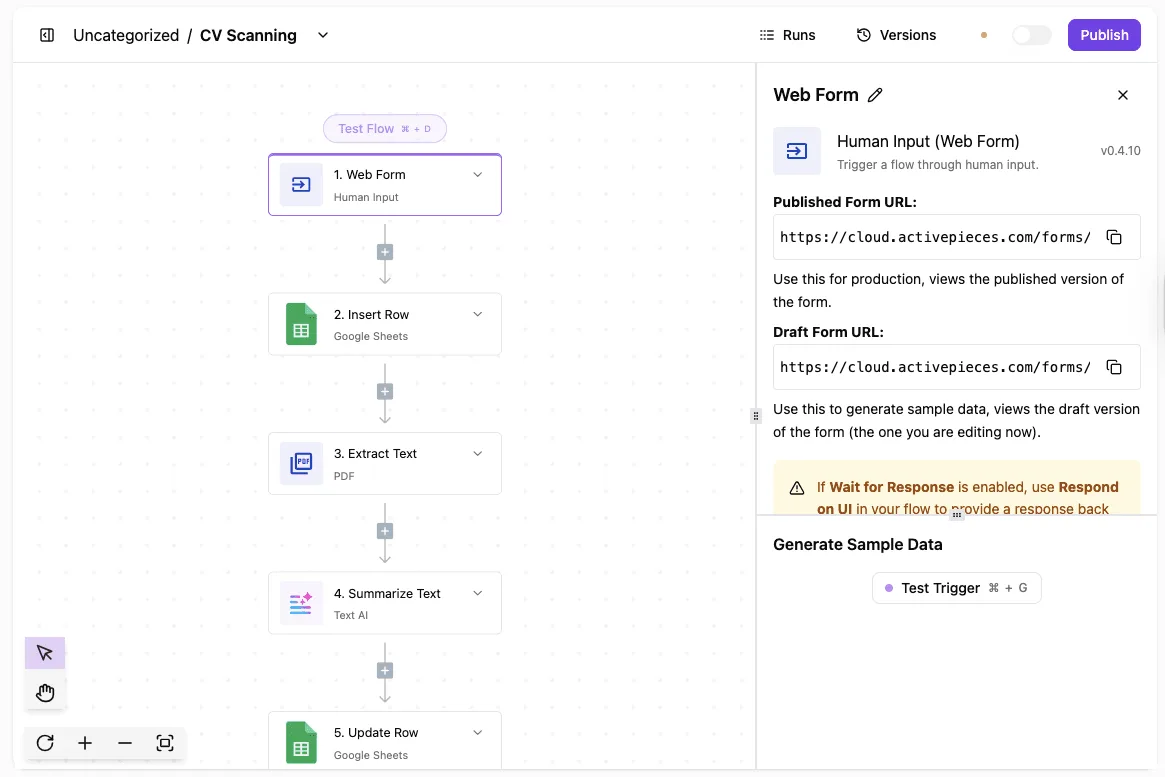 This shift means the infrastructure is built to handle the "vibe coding" of a front-end alongside the rigorous, invisible demands of a production-grade backend. ## Top 5 v0 alternatives compared for 2026 workflows Modern full-stack alternatives to v0 succeed by providing integrated environments where front-end code and database schemas coexist in a single deployment cycle. This unified structure allows engineering teams to move beyond static UI generation into building durable, data-driven systems. | Platform | Core Strength | Primary Limitation | Ideal User Persona | | :--- | :--- | :--- | :--- | | Cursor | Native IDE integration with deep local codebase context. | Requires manual infrastructure and deployment management. | Professional developers maintaining existing repos. | | Bolt.new | Instant browser-based full-stack environment provisioning. | Performance degrades as project file count scales. | Rapid prototypers and agency developers. | | Lovable | High-fidelity UI generation with integrated Supabase backends. | Locked into specific tech stack opinions for data. | Founders building MVP-stage SaaS products. | | Replit Agent | End-to-end deployment including hosting and secrets management. | Restricted customization of the underlying server OS. | Solo creators and non-technical product owners. | | GPT Engineer | High-level architectural planning and iterative task execution. | Higher latency during complex codebase refactoring. | Technical leads managing micro-services. | Immediate feedback loops, such as the automated test panels that verify data persistence after a code change, validate the integration of these platforms into a daily workflow. The screenshot shows a successful JSON output including a file download link and unique chat ID, confirming that the backend correctly processed the request and stored the resulting artifact. This verification step ensures that the generated logic actually functions before a single line is manually reviewed. ## Bolt.new for full-stack web containers in the browser Bolt.new lets teams execute full-stack Node.js environments directly within a browser tab. This removes the boundary between a static UI preview and a live backend. Using WebContainer technology, it lets developers install npm packages, run dev servers, and manage file systems without local terminal configuration.  The following table identifies how this capability fits alongside other 2026 generative tools currently used by engineering leads to bypass local environment friction. | Tool | Best for | Primary Environment | | :--- | :--- | :--- | | Cursor | Pro-code IDE integration | Local Filesystem | | Bolt.new | Full-stack browser containers | WebContainer (Browser) | | Lovable | Rapid CRUD apps | Managed Cloud | | Replit Agent | Collaborative rapid prototyping | Virtual Machine | A product manager can now validate a database schema change because of this shift toward browser-native execution. ### How WebContainers eliminate local environment setup WebContainers function as a micro-operating system inside the browser. The "it works on my machine" excuse disappears because every stakeholder uses the exact same virtualized environment. When a developer prompts GPT-6 Astra to add a new library, Bolt.new executes the installation in the background so the preview updates in real-time. This immediate feedback loop reduces the context-switching tax that typically kills momentum during two-week sprints. ### Deploying beyond Vercel: Netlify and Cloudflare integration Standardizing on a single hosting provider often creates vendor lock-in that complicates long-term infrastructure budgets. Bolt.new has native deployment hooks for Netlify and Cloudflare. Teams can choose the edge network that best matches their existing security headers and latency requirements. 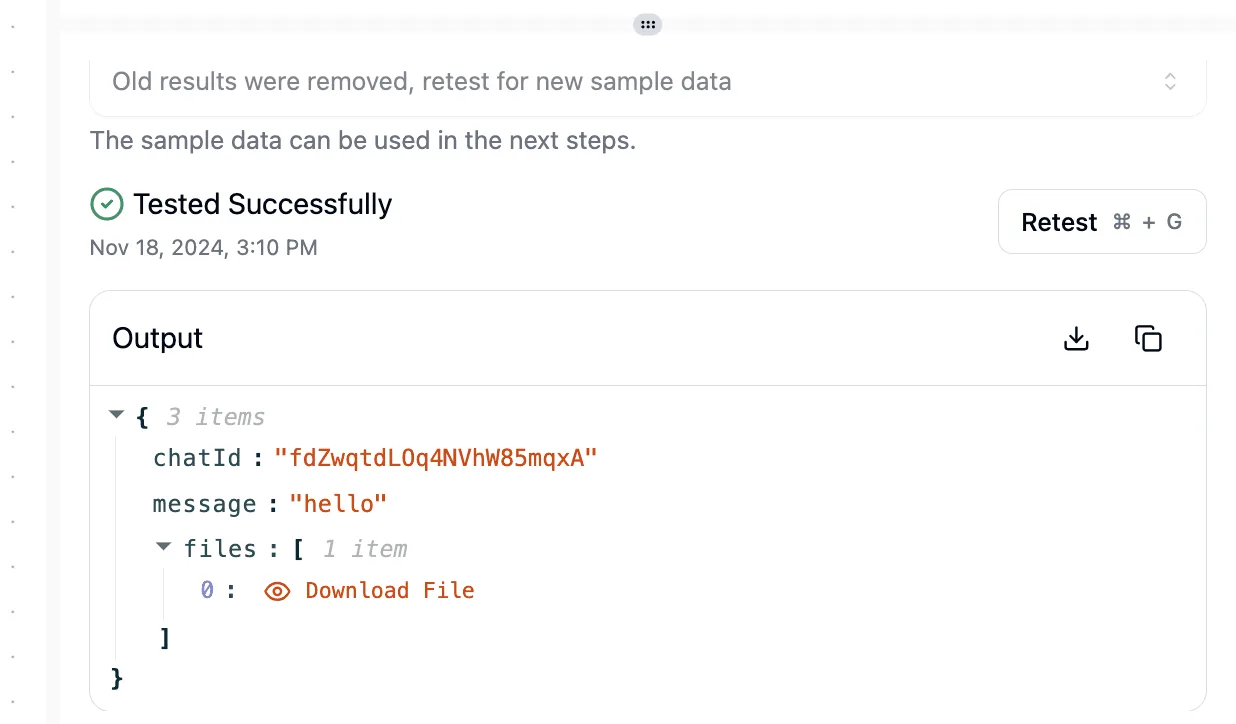 Moving these functional blocks into production requires more than just a frontend host. It necessitates a strategy for persistent data and cross-service communication. ## Lovable for rapid application development and deployment Lovable bridges the gap between static design and production-ready software by automating the connection between frontend interfaces and cloud databases. While basic UI builders stop at the browser, this platform generates the underlying schemas and API calls necessary for users to manage persistent data. ### Supabase integration for instant backend functionality Lovable uses Supabase, an open-source Firebase alternative, to provide a managed PostgreSQL database and authentication layer for every project. This integration means a founder doesn't have to manually write SQL or configure environment variables to handle user sign-ups and data storage. By utilizing Gemini 3.8 Flash to map UI elements to database tables, the platform ensures that a "Submit" button on a lead capture form actually writes a record to a secure table.  ### The 'edit by chat' workflow for non-developers The development cycle relies on a conversational interface where users describe functional changes rather than modifying source code. This approach allows a product manager to request a new dashboard view or a change in permissions logic through natural language, which the system then executes across the entire stack. When paired with Claude Opus 5.5 for complex logic updates, the platform can refactor multi-step workflows without the user needing to understand how the React components interact with the backend services.  ## Activepieces: Automating the UI-to-Backend Connection Activepieces runs as a per-project MCP server, so Claude, Cursor or Windsurf can create, edit and explain a flow without you ever opening a separate builder UI. By handing over real CRUD control through this open protocol, your coding assistant becomes your automation builder, allowing you to verify every change in the run trace of the MIT-licensed core.  Every connector registered in Activepieces is immediately available as an agent tool. This means a single integration works two ways: as a deterministic step in a flow and as a tool schema on a per-project MCP server, accessible to Claude or Cursor without a second migration. There is no manual export or re-integration required to make your backend logic reachable from the AI chat. The same mechanism in the MIT-licensed core that powers a workflow also exposes the tool to your agent. ### Connecting generated components to 100+ business apps The platform bridges the gap between isolated UI mockups and the internal tools a team uses daily by providing a visual canvas to map frontend inputs to external services. By using a standardized webhook listener, a developer can link a custom-built dashboard directly to a suite of hundreds of third-party integrations, such as Supabase or Slack. [Illustration: A central Activepieces logo connected by arrows to a Lovable-generated frontend on the left and a suite of 760+ third-party integrations (like Supabase, Slack, and Gmail) on the right] This connectivity transforms a standalone component into a participant in the company's established data flow. This prevents the "silo effect" where AI tools fail to talk to the rest of the business. ### Triggering workflows from AI-generated buttons and forms Operations leaders can use Claude Opus 5.5 to write the specific JSON payloads that a frontend form sends to Activepieces. This ensures that every button click executes a precise sequence of multi-step logic. This eliminates the need for manual API plumbing, as the automation engine handles the authentication and retries for each connected service. MoneyGram and FundingSocieties run Activepieces in production to bridge these UI triggers with their existing business systems. This turns a simple interface into a comprehensive workflow orchestrator. By offloading this complexity to a dedicated logic engine, teams ensure their AI-generated apps remain scalable and maintainable even as the underlying business rules evolve. By turning your coding assistant into a direct automation builder through a per-project MCP server, Activepieces eliminates the friction between writing code and managing backend logic. Activepieces is the better fit for developers who want to manage CRUD operations and business app integrations directly within Claude or Cursor without leaving their development environment. The ability to verify every AI-generated change in the run trace of an MIT-licensed core ensures that complex workflows remain transparent and under the developer's control. ## Choosing your generative UI tool by project requirements Selecting a generative UI tool depends on whether your team needs to own the underlying infrastructure or simply deliver a verified user experience. While v0 has rapid React scaffolding, the transition from a visual prompt to a production-ready system requires a specific evaluation of your deployment targets and data complexity. The following framework ensures you select a tool that matches your operational capacity rather than just your design aesthetic. 1. Define stack requirements (React vs Solid) 2. Verify backend needs (Static vs CRUD) 3. Audit AI code (The 70/30 Rule) 4. Test deployment latency (under 200ms) This loop forces a technical audit before a single line of code is committed, preventing teams from building on platforms that can't support their long-term data residency needs. ### When to stick with a code editor like Cursor You should remain in a local code editor when your project requires deep integration with existing private repositories or specific architectural patterns that hosted sandboxes can't replicate. Using the Cursor code editor lets your engineers use Claude Opus 5.5 for long-running agentic coding tasks while maintaining full control over the local file system. This approach is necessary for teams managing complex state across multiple microservices. It allows for immediate debugging within the actual production environment. By keeping the development loop local, you avoid the synchronization delays inherent in browser-based IDEs. ### When to move to a managed platform like Replit Agent A managed platform is the correct choice when the speed of deployment for a standalone internal tool outweighs the need for custom infrastructure management. Replit Agent utilizes models like Gemini 3.8 Flash to handle the unglamorous work of provisioning databases and configuring web servers automatically. This environment is ideal for rapid prototyping because it bundles the frontend and backend into a single subscription. This removes the need for a DevOps engineer to set up a staging pipeline. When a project requires a functional CRUD (Create, Read, Update, Delete) application in a single afternoon, these integrated environments bridge the gap. ## Frequently asked questions about v0 alternatives? ### Can I export code from these alternatives to my own GitHub? Direct GitHub integration allows teams to move from a generated prototype to a managed repository without manual copy-pasting. While v0 focuses on UI snapshots, platforms like Replit and Lovable provide bidirectional synchronization with GitHub. This means every AI-generated change is committed as a pull request for your lead engineer to review. This ensures that the generated logic adheres to your team’s existing CI/CD pipelines rather than living in a proprietary silo. ### Which v0 alternative is best for shadcn/UI components? Selecting an alternative for shadcn/ui depends on whether you require raw component code or a pre-configured design system. Bolt.new uses Claude Sonnet 5.5 to scaffold full-stack Next.js applications that include shadcn/ui and Tailwind CSS. Lovable specializes in maintaining the specific folder structure required by shadcn/ui. This prevents the "spaghetti code" often found in simpler LLM wrappers. Cursor is an IDE-native experience where developers use Gemini 3.8 Flash to refactor existing shadcn/ui components directly within their local file system. ### Are there any free open-source v0 alternatives for local use? Open-source alternatives allow organizations to run generation engines on private infrastructure to satisfy strict data residency requirements. OpenDevin and Plandex are the primary community-driven options that interface with local LLMs via Ollama. This ensures that proprietary schema designs never leave the internal network. Using these tools requires your team to manage the underlying compute, but it eliminates the per-seat licensing costs associated with managed SaaS platforms. ## Related reading - [Best Generative AI Tools for 2026: Ranked and Compared](https://www.activepieces.com/blog/best-generative-ai-tools-for-2026-ranked-and-compared) - [Best ElevenLabs Alternatives in 2026 Compared](https://www.activepieces.com/blog/best-elevenlabs-alternatives-in-2026-compared) - [8 Best Monday.com Alternatives for 2026 Compared](https://www.activepieces.com/blog/8-best-monday-com-alternatives-for-2026-compared) ## References - [Vercel](https://vercel.com/blog/updated-v0-pricing)The cost of moving a successful prototype often outweighs the initial speed gains.