Best Bolt.new Alternatives in 2026 Ranked and Tested

Oct 9, 202612 min read
Bolt.new functions as a browser-native AI development agent that generates full-stack web applications by orchestrating code changes within a virtualized container.
It's great at turning a single prompt into a functional React dashboard. Still, professional teams are hitting walls when these prototypes need to survive the transition into production environments.
The friction usually starts at 2 AM. A simple API handshake fails because the sandbox environment lacks the networking permissions to reach an internal database.
These failures highlight the three primary drivers for Bolt.new alternatives: vendor lock-in within the StackBlitz ecosystem, high token costs for large-scale refactoring, and strict deployment limits on the free tier.
As workflows move from isolated UI experiments to integrated business systems, developers are finding that a browser tab is too small a cage for enterprise-grade logic.
Why developers seek bolt.new alternatives
Browser-based compute memory and networking limits
Hard ceilings on memory and networking are imposed when you run a full development server inside a browser engine. These throttle complex application growth.
As workflows move from isolated UI experiments to integrated business systems, developers are finding that a browser tab is too small a cage for enterprise-grade logic.
Because Bolt.new operates within WebContainers, developers can't easily install global binaries or access low-level system resources required for heavy data processing. Custom Docker configurations are restricted, preventing teams from replicating production staging areas.
Furthermore, the reliance on a specific proprietary hosting stack creates a high-friction exit path. Moving a project out of the sandbox often requires manual reconfiguration of build scripts and environment variables that the AI agent originally automated.
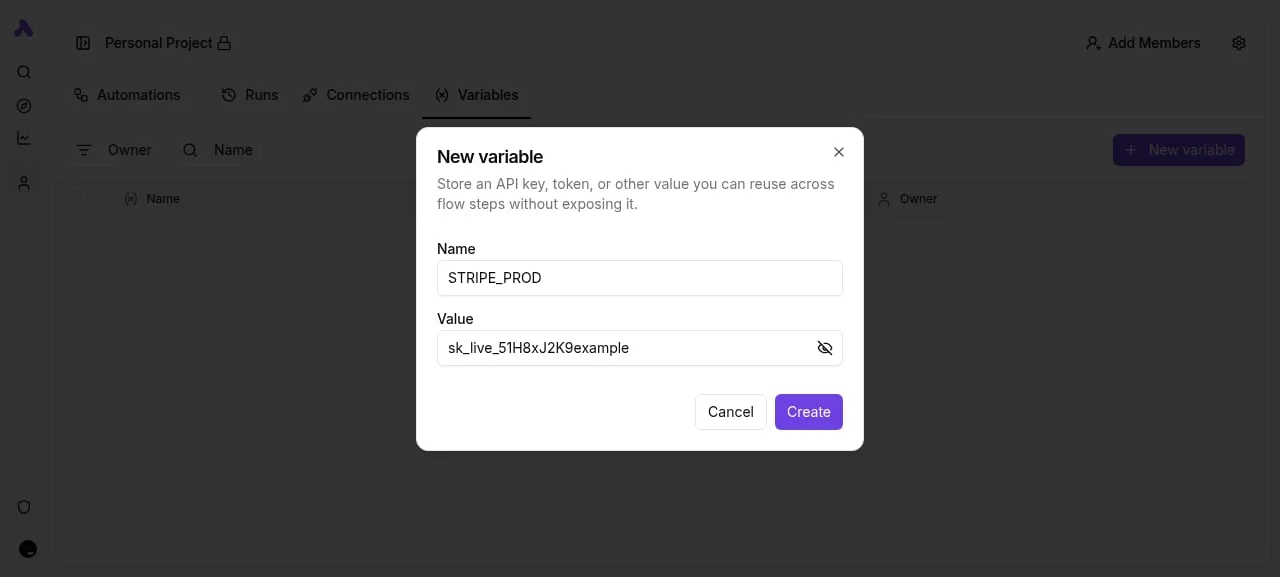
Bolt.new token costs for large refactors
Large-scale refactoring in Bolt.new becomes expensive. Every global change requires the model to ingest and resubmit the entire project context. When using high-reasoning models like GPT-6 Astra or Gemini 3.8 Flash, the context tax grows exponentially as the codebase expands.
Thousands of tokens are burned every time a developer asks to update branding across forty components. This pricing model penalizes iterative development, forcing teams to choose between paying for massive context windows or dealing with hallucinations.

The shift toward local-first development
Professional engineers are pivoting toward tools that offer local execution and deeper integration with existing automation workflows.
Activepieces connects to Claude Desktop, Cursor, or Windsurf through a per-project MCP server, allowing these assistants to build and explain flows without the friction of a separate UI.
By handing over real CRUD control through this open protocol, the coding assistant becomes an automation builder where every change is verified in the run trace of the MIT-licensed core.
Specialized models, such as Claude Fable 5.1, can be used for demanding reasoning tasks while keeping the file system under direct supervision. Sustainable monthly API overhead is impossible when minor UI tweaks require constant re-indexing of the entire project.
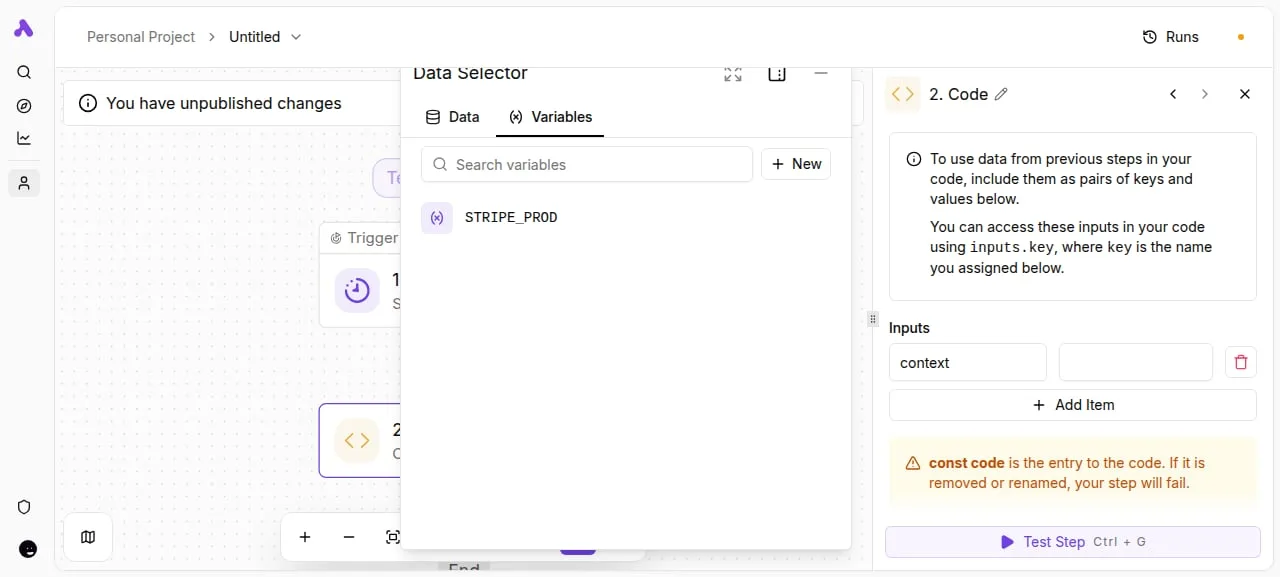
Rigid tier structures limit active projects, stalling the growth of multi-tenant applications.
The fastest way to settle a shortlist is to try one. Activepieces is free to try, no credit card.
Compare AI development agents by cost
Selecting the right development agent requires matching the tool's underlying architectural philosophy to the specific technical debt your team is prepared to manage.
| Agent | Primary Technology Stack | Target User Profile |
|---|---|---|
| Replit Agent | Full-stack JavaScript/Python | Beginners and rapid solo prototypers |
| Lovable | High-fidelity UI and React | Designers and product managers |
| v0.dev | React, Next.js, and Tailwind CSS | Frontend engineers and UI developers |
| OpenHands | Language-agnostic / Docker-based | Power users and DevOps engineers |
While Lovable and v0.dev prioritize the aesthetic layer, OpenHands and Replit Agent focus on the functional plumbing required for persistent applications.
For an ops manager, the choice usually comes down to whether you need a pretty dashboard by morning or a containerized service that won't fall over when the API keys rotate.

Monthly subscriptions must be weighed against hours saved in manual debugging, especially as costs scale with the underlying model's reasoning capabilities. The focus shifts to how these agents handle business logic once the environment is established.
Open-source alternatives for local data sovereignty
Self-hosted agents provide a method for maintaining data sovereignty because they keep sensitive intellectual property within a private cloud. By deploying these tools on internal infrastructure, teams eliminate per-message billing and prevent proprietary logic from being ingested into public training sets.
OpenDevin: The community-driven powerhouse
OpenDevin functions as an autonomous software engineer that interacts directly with a sandboxed terminal and web browser. It's specifically designed for long-horizon tasks where a model like Gemini 3.8 Flash must iterate through multiple failed builds without human intervention.
Senior developers can delegate repetitive refactoring tasks to this autonomous system. Docker isolates the agent's execution environment. Local LLM Gateways like Ollama route requests to on-premise hardware, keeping code off the public internet.
Plandex for terminal-based code migrations
Plandex manages large-scale code migrations by breaking them into a structured plan that the developer reviews before any files are modified. This approach is essential for high-stakes environments where a single error in a database schema update could cause a production outage.
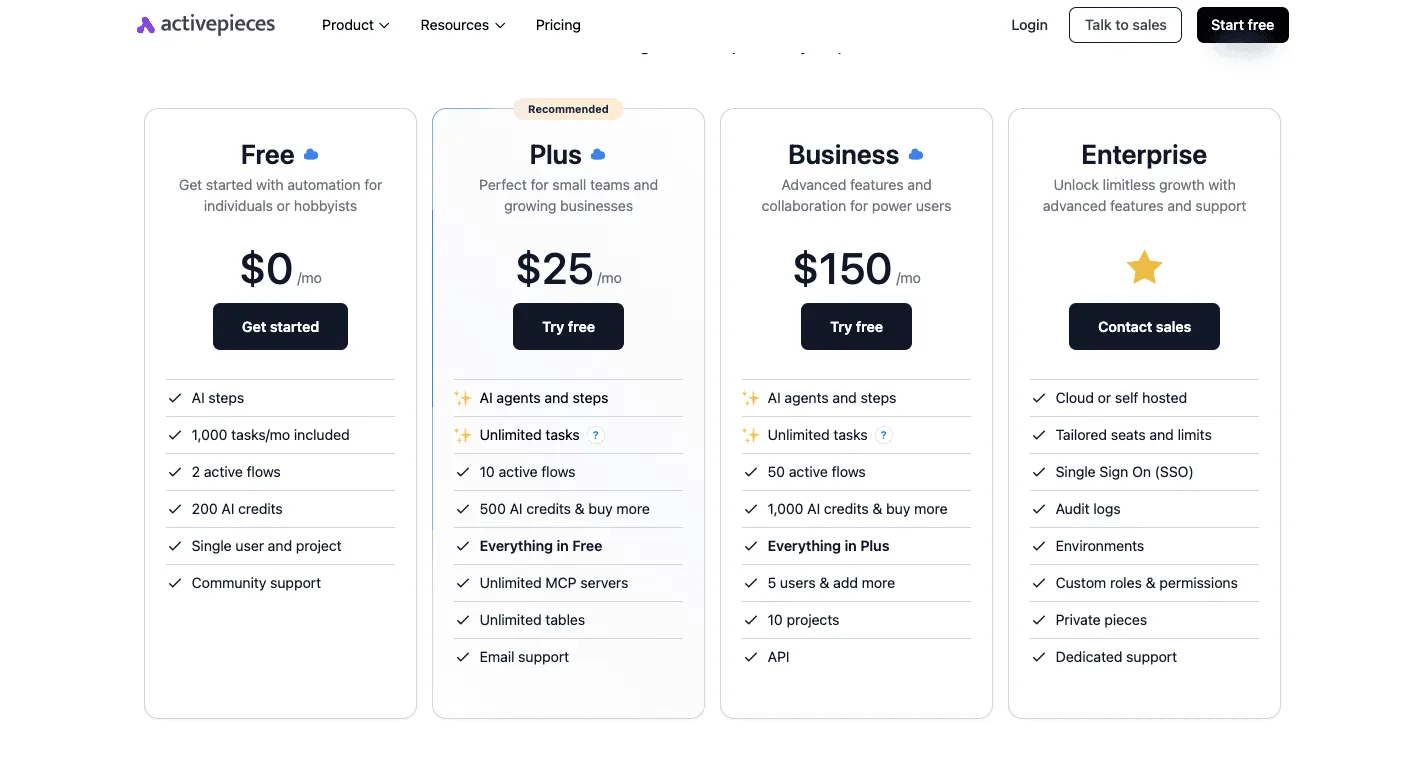
By using a stateful terminal interface, Plandex allows teams to use high-reasoning models like GPT-6 Astra for planning while executing the actual file changes locally. This ensures that the final logic is always verified by a human operator.
Comparing the popularity of open-source coding agents
Deep integration is being prioritized by developers over simple chat interfaces, as the following data shows.
AutoGPT has 167,400 Stars, demonstrating sustained interest in general-purpose task automation, though its scale often requires more oversight to prevent infinite loops.
Langflow has 42,800 Stars, highlighting the demand for visual orchestration which lets non-coders build agentic workflows without writing boilerplate code.
Dify has 58,200 Stars, suggesting a trend toward LLMOps platforms that combine prompt engineering with operational monitoring. OpenHands has 38,500 Stars, reflecting the steady rise of specialized autonomous agents that focus specifically on the developer experience.
Checking open-source tool adoption and activity
The landscape of open-source development is often clouded by inflated metrics or abandoned projects that skew the perception of a tool's reliability. Developers must look beyond raw star counts to evaluate the actual velocity of the codebase and the frequency of pull request merges.
A high star count does not always equate to production readiness. Many tools gain initial traction through viral marketing but fail to maintain the rigorous security updates required for enterprise deployment.
Reading a table only gets you so far. Build the same workflow in Activepieces and compare it yourself.
Integrated platforms for rapid full-stack deployment
Connecting local intelligence to external services requires a platform that manages the underlying server infrastructure alongside the code. Professional workflows often demand persistent databases and long-running background processes that a client-side sandbox can't maintain.
Replit Agent: Best for end-to-end hosting
Replit Agent is a unified environment where the AI handles both the generation of code and the configuration of the cloud server it inhabits. Unlike client-side tools, Replit provisions a live PostgreSQL database and manages environment variables automatically.
This integration allows models like Gemini 3.8 Flash to execute terminal commands and verify that the server is listening on the correct port. However, significant cold-start latency plagues Replit’s free tier compared to the instant-on nature of Bolt.new’s browser-based environment.
Lovable: The specialist for high-fidelity UI/UX
Lovable focuses on bridging the gap between design intent and functional React code. While Replit is a generalist, Lovable optimizes specifically for the Supabase ecosystem to handle authentication and data storage.
High-fidelity UI components generated by GPT-6 Astra remain synced with the database schema, reducing configuration overhead.
Connecting AI prototypes to business logic with Activepieces
Every connector registered in Activepieces is immediately available as an agent tool, allowing a prototype to call any of the 738 integrations in the community monorepo as a standard MCP schema.
MoneyGram and FundingSocieties run Activepieces in production to bridge the gap between AI-generated frontends and the deterministic logic required for financial operations. Professional teams use this to move beyond the mock data phase.
Instead of writing custom API wrappers, developers use the Activepieces flow builder to map UI actions directly to specific business events.
A visual logic canvas is used by the builder to define how data moves from a trigger through a series of conditional branches and actions.
[Activepieces flow builder showing a single-step workflow with the "new flavor created" trigger from the Ice-cream integration selected. The canvas displays the trigger step with an ice-cream icon and label "1. new flavor created" connected to an "End" node. The right panel shows the trigger configuration with fields for Trigger (set to "new flavor created"), Connection (set to "ice-cream" with a Reconnect button), version v0.0.1, and a "Generate Sample Data" section showing "Loaded Successfully" with a "Load data" button and a Data field showing "(Result 4)".]
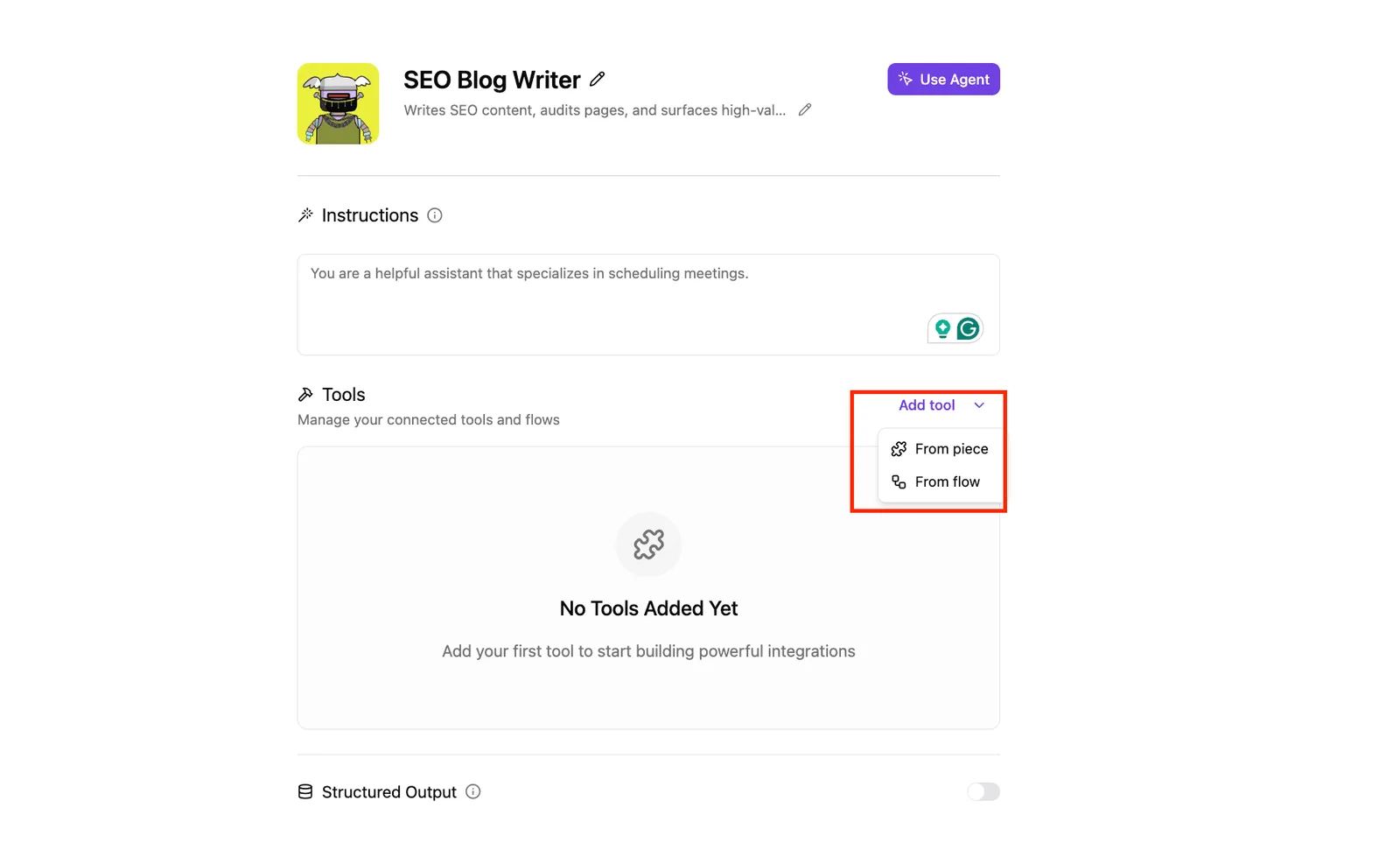
This successful data load confirms that the prototype is communicating with the backend. Gemini 3.8 Flash is typically deployed to handle the complex decision-making within these flows, or Grok 4.7 to generate dynamic responses based on the workflow context.
Moving from AI prompts to a production environment
Moving a prototype into a production environment requires shifting from ephemeral browser sessions to a persistent infrastructure. While a prompt-based agent can generate a functional interface in seconds, that code remains trapped in a volatile state until it's anchored to a professional development lifecycle.
Exporting your project from the sandbox
Transitioning out of a sandbox involves moving the generated files into a local development environment to ensure the project survives a session timeout. You must manually verify that the package manager files and environment templates are included in the export.

The project moves from a black box state into a transparent file structure that your internal team can actually audit. Every change is logged and every deployment is repeatable because of this flow.
Building a CI/CD pipeline for deployment
A permanent pipeline automates the testing and deployment of code changes. By connecting your repository to a deployment service, you ensure that every push triggers a build process that catches syntax errors before they reach your users.
- Connect your repository to a version control provider like GitHub, which is the single source of truth for the codebase.
- Configure a build runner to execute automated tests to verify that new AI-generated features do not conflict with existing business logic.
- Deploy the validated code to a staging environment for final review before it hits the production server.
Professional environments use a dedicated secret management system to inject keys at runtime, keeping them out of the raw source code entirely.
| Tool Category | Role in Production | Security Consequence |
|---|---|---|
| Environment Variables | Stores non-sensitive config like API endpoints | Prevents "magic strings" from breaking local dev builds |
| Secret Managers | Encrypts high-value keys for services like Gemini 3.8 Flash | Ensures developers never see production credentials in plain text |
| API Gateways | Routes and throttles incoming traffic | Protects backend logic from being overwhelmed by bot activity |
Frequently asked questions about AI agents
Can I run bolt.new alternatives offline?
Whether the underlying large language model resides on your hardware or a remote server determines if you can run AI agents offline.
While browser-based builders require a constant handshake with cloud providers to function, professional teams are shifting toward containerized environments that allow for local development.
Mistral Large 4 is an open-weight architecture. Your infrastructure team can host the model on internal GPU clusters to ensure data never leaves your private network. GPT-6 Astra and other proprietary models operate exclusively via encrypted API calls.
A lost internet connection results in an immediate halt to all code generation and agentic reasoning. Gemini 3.8 Flash requires a persistent uplink to Google’s backbone, which prevents developers from working in secure, air-gapped facilities.
Which AI agent has the lowest monthly subscription?
You should utilize high-throughput, low-latency models through a pay-as-you-go API rather than a flat-rate monthly seat to deploy agentic workflows most cost-effectively. Monthly subscriptions often lead to overpayment for idle time. Per-token pricing ensures you only pay for the specific logic cycles your agents consume.
Gemini 3.5 Flash-Lite sits at the bottom of the cost curve for high-volume tasks. It's the most economical routing layer for sorting incoming tickets. Claude Haiku 5.5 is a budget-friendly entry point for basic extraction, which lowers the barrier for teams automating simple data entry.
GPT-6 Luna provides a tier specifically for high-volume workloads. Enterprises can scale background processing without the premium cost of flagship reasoning models.
Do these tools support Python and Backend development?
Modern AI agents have moved beyond simple frontend scaffolding to support full-stack architectures including database migrations and server-side logic. Relying on a tool that only understands React or Vite leads to a UI-only silo where the backend becomes a manual bottleneck for the engineering team.
Gemini 3.8 Flash handles long-horizon software engineering. It can refactor an entire Python FastAPI directory to ensure the backend logic matches the new UI requirements.
Claude Opus 5.5 manages long-running agentic coding tasks. This allows it to write complex SQL queries and middleware without losing context of the overall system architecture.
Codestral focuses specifically on code completion across multiple backend languages. Developers receive real-time suggestions for C++ or Java that adhere to established corporate security standards.
Related reading
References
Still comparing
The fastest way to settle it is to build something.
Open source under MIT, so you can self-host the same thing later.
Start free Talk to sales