
DocuSign Alternatives: Best Options in 2026

Oct 2, 202612 min read
Modern e-signature evaluation requires a shift from simple per-user licensing to a strict analysis of API throughput and envelope unit costs, which often involves testing how Activepieces handles automated document triggers across various enterprise workflows.
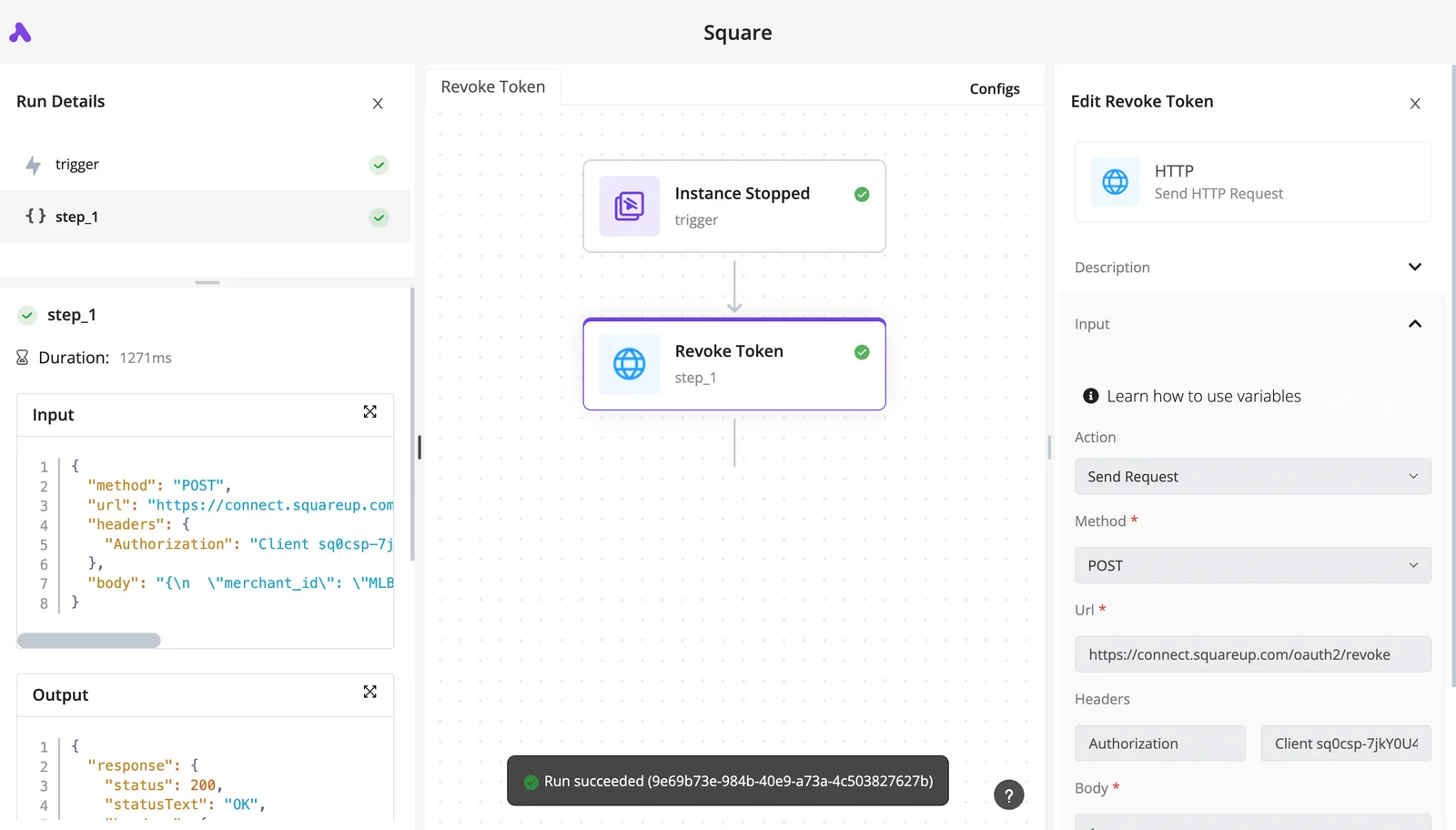
Compare docusign alternatives by price
Signb reports that while DocuSign remains the baseline for enterprise compliance, its 50 envelope-per-hour API rate limit on standard tiers means high-volume logistics teams will hit a hard ceiling during peak morning dispatch windows. It's a significant bottleneck.
The fastest way to settle a shortlist is to try one. Activepieces is free to try, no credit card.
The envelope cap versus seat licensing
The most common reason users seek alternatives is the restrictive "Envelope" model used by the market leader. DocuSign typically limits a single user to 100 envelopes per year on standard plans, effectively penalizing high-volume employees who process more than two documents per week.
Many modern alternatives have abandoned this cap in favor of true seat-based licensing. This allows a single administrator or sales representative to send an unlimited number of documents for a flat monthly fee.
This distinction is the primary "gotcha" in the industry, as a low monthly price often hides a hard ceiling on document volume.
Choosing a provider that offers unlimited sending ensures that a sudden increase in business activity does not result in unexpected service suspensions or expensive overage charges.
SignBee’s analysis puts the threshold of PandaDoc at 40 envelopes per month on its entry-level Business tier for a fixed price. This prevents small sales teams from facing immediate overage charges as they scale.
For developers building custom workflows, BoldSign is a more aggressive entry point at 30 envelopes per month for a lower base fee. This reduces the cost of maintaining a "warm" production environment for low-volume apps.
Activepieces prevents the vendor’s roadmap from becoming a technical ceiling by allowing teams to build their own connectors via AI and deploy them to a private instance instantly.
While closed catalogues only expand when the provider prioritizes them, roughly 60% of the 738+ integrations in this MIT-licensed core are community-contributed, meaning the ecosystem grows far faster than any single vendor could manage alone.
The table below illustrates how these disparate pricing models impact the monthly bottom line for a growing team of ten users, allowing managers to forecast their exact operational expenses, which means leadership can allocate budget with greater precision.
| Platform | Monthly Cost (10 Users) | Included Envelopes | API Overage Fee |
|---|---|---|---|
| DocuSign Standard | $300 | 100/year per user | Varies by contract |
| PandaDoc Business | $490 | Unlimited (fair use) | N/A |
| BoldSign Enterprise API | $30 (base) | 30/month | $1.00 per envelope |
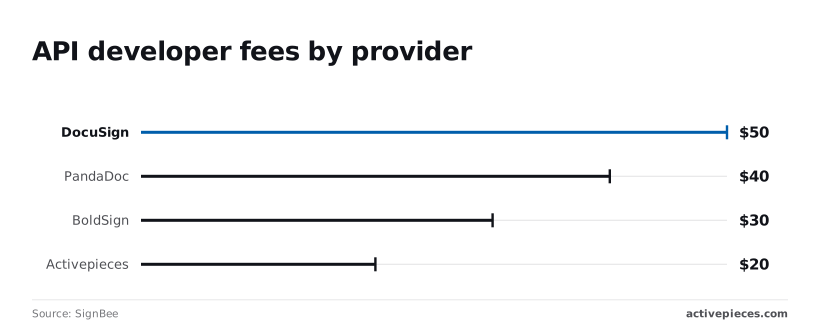
This cost delta forces a choice between the predictability of flat-rate tools and the scalability of API-first engines. As teams move toward automated document generation, the depth of CRM integration becomes the next critical bottleneck.
1. Activepieces
Activepieces automates the handoff between e-signatures and the rest of the software stack by billing 1 credit per flow run regardless of the number of steps, a direct contrast to the per-task metering found on Zapier or per-module costs on Make.
While incumbents treat a completed document as the end of a journey, this open-source automation builder treats it as a data event. The platform routes this event to any internal database or communication tool.
While incumbents treat a completed document as the end of a journey, this open-source automation builder treats it as a data event.
It eliminates the "integration tax" usually paid to developers by providing a visual designer that maps data between disparate services. By using a webhook as a persistent listener, the system catches every status change in a signature request.
The system then pushes that information into the specific records where your team actually works.
Automation and intelligence
This removes the need for manual status checks that inevitably lead to missed deadlines or stalled projects.
[Flow diagram showing an Activepieces automation: A 'Webhook' trigger from a custom database leads to a 'Create Signature Request' action in an e-signature provider, followed by a 'Slack' notification]
This visibility notifies a sales lead the second a contract is finalized. The lead doesn't have to wait for a weekly audit.
MoneyGram and FundingSocieties run Activepieces in production to manage these complex automation environments, often choosing to self-host the MIT-licensed core to keep sensitive document logs behind their own private firewalls.
To further refine these workflows, developers can inject specific logic using Gemini 3.8 Flash to categorize incoming documents or summarize contract terms before they hit a Slack channel.
This layer of intelligence transforms a raw PDF into an actionable brief, allowing managers to prioritize their review based on the actual content of the signed agreement.
By treating its integration library as a foundation for growth rather than a fixed limit, this platform ensures that users are never restricted by a static marketing list.
Activepieces is the better fit for teams requiring transparency and scalability, as it provides an open-source framework where the catalogue is verified directly by the codebase. This approach transforms automation from a closed service into a flexible infrastructure that evolves alongside your specific workflow needs.
2. PandaDoc for sales teams
PandaDoc is for sales-heavy teams by combining e-signatures with a robust document editor and native CRM synchronization. While legacy incumbents often treat the document as a static container, this platform operates as a live data layer between your CRM and the final signee.

API throughput often gates efficiency in these workflows, particularly during end-of-quarter surges. PandaDoc permits 1,000 requests per day on its standard production tier.
This means a high-volume sales desk can trigger over forty automated document generations every hour without hitting a rate-limit wall. Zoho Sign limits users to 400 requests per day, so high-volume businesses risk service interruptions if they exceed this daily threshold.

A team scaling beyond 50 envelopes daily would have to throttle their automation or face integration failures.
AI features coming in 2026
PandaDoc agentic sales workflows
Modern sales cycles increasingly rely on agentic workflows to handle the repetitive parts of contract negotiation. Developers are now hooking these document pipelines into Claude Sonnet 5.5 to extract specific terms from redlines.

They also use GPT-6 Astra to verify that the data pushed from a Salesforce record matches the legal requirements of the generated PDF. Because PandaDoc supports deep embedding, these models can act directly on the document structure rather than just the metadata.
The platform focuses on the entire lifecycle to reduce the friction that kills deals. This flexibility allows technical teams to build self-correcting sales loops where the document is the source of truth for the entire organization.
The shift toward these integrated environments is why specialized tools are gaining ground over general-purpose e-signature vendors.
Reading a table only gets you so far. Build the same workflow in Activepieces and compare it yourself.
Dropbox Sign for small business simplicity
Dropbox Sign is a streamlined, user-friendly interface for small businesses that prioritize flat-rate pricing and native Dropbox ecosystem integration.
By stripping away the dense permission hierarchies and complex routing logic found in legacy enterprise tools, the platform reduces the time spent on administrative overhead for teams that don't require multi-stage legal clearances.
The platform centers on a "Simple Send" philosophy, which replaces the multi-page configuration screens of larger competitors with a linear, guided workflow.
This side-by-side comparison shows the Dropbox Sign three-step flow against a standard enterprise dashboard. It highlights how the removal of non-essential toggle switches and nested menus lowers the cognitive load for non-technical staff.
Dropbox Sign file system integration
This design choice ensures that a marketing manager or solo founder can initiate a signature request without navigating a steep learning curve. Integration within the existing file system remains the primary functional advantage for teams already utilizing Dropbox for storage.
Because the e-signature layer is an extension of the file-sharing environment rather than a separate destination, users can trigger signing workflows directly from their folders. This architectural choice eliminates the need to download, re-upload, and sync documents across disparate platforms, which prevents version control errors.
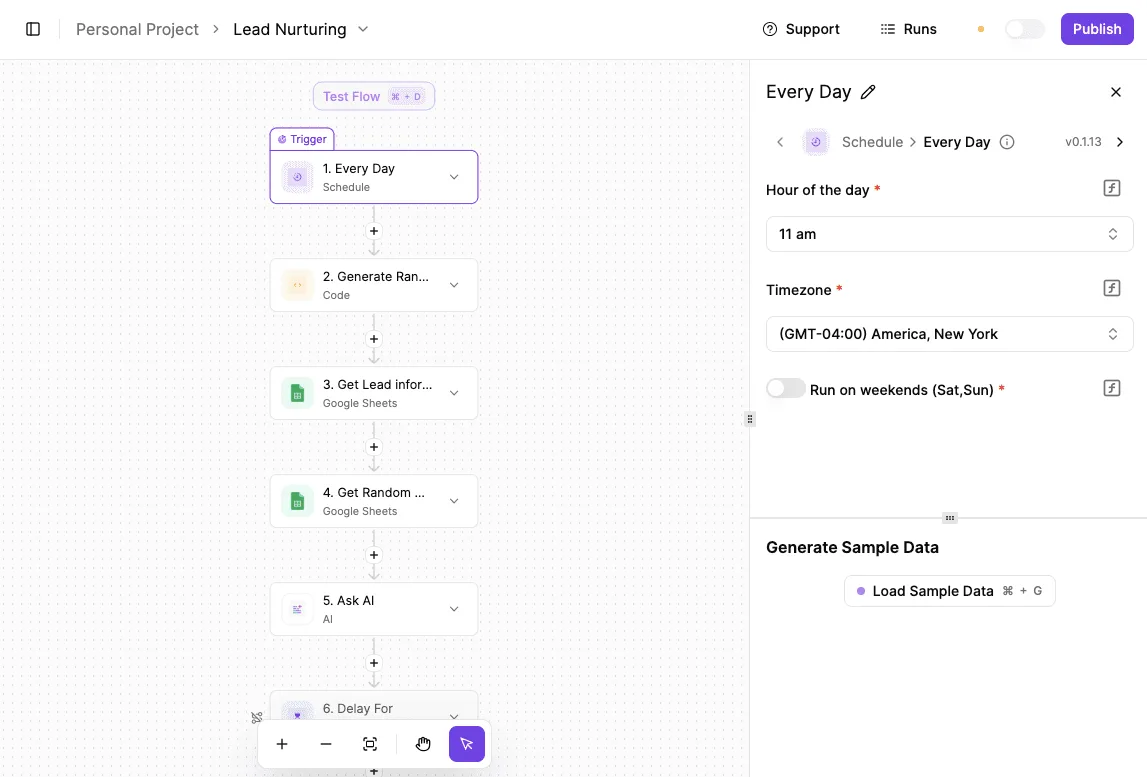
Beyond the interface, the shift toward flat-rate pricing models is a way to get predictable monthly expenses for high-volume small teams.
While legacy vendors often introduce per-envelope costs or "overage" fees once a certain threshold is reached, Dropbox Sign allows teams to scale their document output without the risk of a fluctuating monthly invoice.
This stability is particularly useful for growing agencies that need to project their software spend across an entire fiscal year.
Zoho Sign for enterprise compliance
Zoho Sign is the most direct path for organizations to achieve enterprise-grade compliance and high-volume document execution without the overhead of standalone per-envelope pricing.
By integrating natively with the broader Zoho ecosystem, the platform eliminates the friction of third-party authentication and data mapping that often leads to broken document flows in fragmented stacks. This consolidation ensures that legal audit trails remain tethered to the original customer record.
This prevents the data silos that occur when signing evidence lives in a separate repository. The platform is built specifically for teams that need to move from manual individual sends to systematic, high-capacity distribution.

The Zoho Sign high-volume workflow includes:
- Bulk uploading a recipient CSV and mapping dynamic fields to a template.
- The administrator then sets the signing order and triggers automated reminders.
- Exporting completed audit trails to Zoho.
This sequence allows a single administrator to manage thousands of simultaneous requests, which means the system can scale efficiently without requiring additional headcount. This reduces the administrative burden of chasing signatures for quarterly renewals or policy updates.
To further refine these automated processes, developers frequently use Gemini 3.8 Flash to parse incoming document data and route it based on the presence of specific legal clauses.
Using a high-reasoning model like Gemini 3.8 Flash for these agentic enterprise workflows ensures that even complex, multi-party contracts are categorized and filed correctly within the central database.
Because the system supports advanced security features like Time-Based One-Time Passwords (TOTP) and Blockchain-based timestamping, the resulting documents meet stringent international standards for non-repudiation.
This level of technical rigor ensures that every signature collected is legally defensible. It also ensures the document is fully traceable through the entire lifecycle of the agreement.
3. BoldSign for developer infrastructure
BoldSign provides a developer-centric infrastructure that prioritizes API autonomy and deep white-labeling over the simplified user interface typical of consumer-grade signing tools.
While the incumbent market relies on rigid, branded signing ceremonies, this platform allows engineers to treat the signature process as a headless service. By removing vendor-mandated watermarks and redirecting signers to custom domains, a company can maintain brand continuity.
This ensures that customers never feel they have left the primary application environment.
BoldSign developer sandbox environment
The integration experience is built around a transparent sandbox environment that mirrors production functionality without requiring active subscription credits. This separation allows a development team to validate complex webhook logic and document routing before committing to a live deployment.
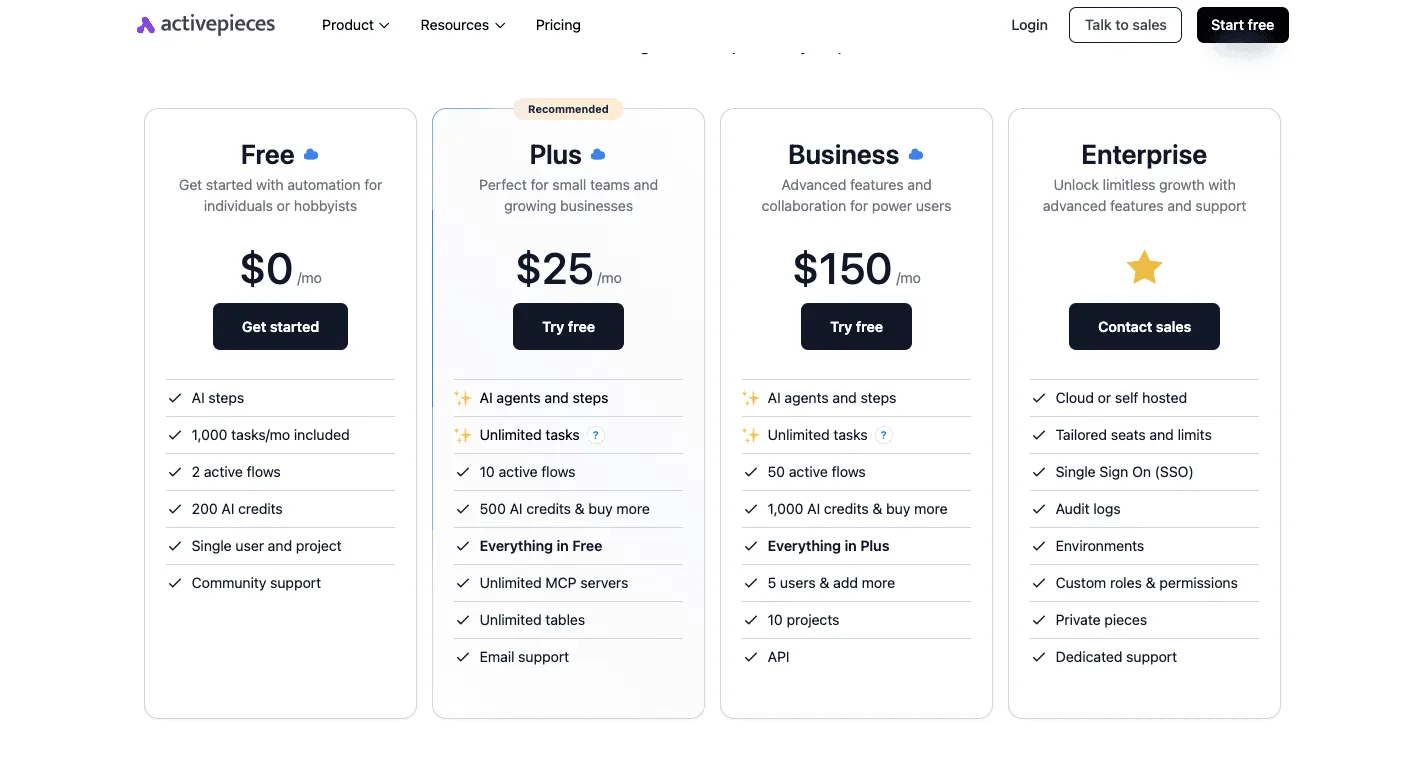
To further assist in the transition from manual workflows to automated ones, the platform supports the following technical features. A dedicated API dashboard monitors payload delivery and error codes in real time.
Pre-built SDKs for major programming languages reduce the overhead of manual HTTP request construction. Granular role-based access controls for API keys limit the blast radius of a compromised credential.
Zoho Sign AI orchestration
For teams leveraging modern intelligence to generate or audit complex contracts, the API integrates with external orchestration layers. A developer can feed document metadata into a reasoning model like Claude Sonnet 5.5 to summarize clauses for the signer.
They can also use Gemini 3.8 Flash to extract structured data from completed forms. This programmatic flexibility ensures that the signature is not a dead end for data, but a trigger for downstream automation.
By focusing on these integration points, the platform is for organizations that view e-signatures as a component of a larger software stack rather than a standalone destination.
Choosing a DocuSign alternative
Your choice of a signature provider depends on your need for a turnkey document portal or a programmable backend that treats every signature as a structured data event.
For teams operating within a high-volume automated environment, the priority shifts from the user interface to the reliability of the developer experience. When evaluating these platforms against your current technical stack, consider the following operational requirements:
If your application triggers hundreds of simultaneous signing requests during a batch cycle, a restrictive API rate limit will queue your documents. This will delay time-to-completion for your end users.
A provider that lacks automated retries for webhook deliveries forces your engineering team to build custom polling scripts to verify if a document was actually signed. If the testing environment doesn't mirror the production environment’s authentication requirements, your developers will encounter unexpected failures.
This often happens only after the code is deployed to live customers. For organizations integrating advanced logic, the specific AI model powering their document parsing dictates the accuracy of their downstream automation.
If you are processing complex legal frameworks, a platform utilizing Claude Opus 5.5 provides the reasoning necessary to extract clauses without manual oversight.
Conversely, if your workflow requires high-speed extraction from standard forms, a solution backed by Gemini 3.8 Flash ensures that your document metadata is indexed in near-real-time.
Related reading
Still comparing
The fastest way to settle it is to build something.
Open source under MIT, so you can self-host the same thing later.
Start free Talk to sales