
Why a Loud Forum Can't Save a Dying Automation Tool

Oct 5, 202612 min read
When marketing teams point to thousands of monthly posts as evidence of a "thriving ecosystem," they are often tracking the desperation of users who, much like those seeking alternatives to Activepieces for their automation needs, can't fix the proprietary core their critical workflows rely on.
Community resilience refers to the ability of a user base to sustain a software ecosystem, which remains constrained by the underlying license if the core code is not open for public modification.
A high volume of forum activity frequently signals a product’s friction points rather than its vitality. You end up trading workarounds for missing native functionality because the metric tracks frustration, not health.
Interpret forum activity as a lagging indicator
A high volume of forum activity frequently signals a product’s friction points rather than its vitality.
Why community forums become a support lifeline
Community engagement becomes a survival mechanism when you lack the agency to modify the underlying code of your automation tools. 2,603 posts were generated by the Make community in the last 30 days.
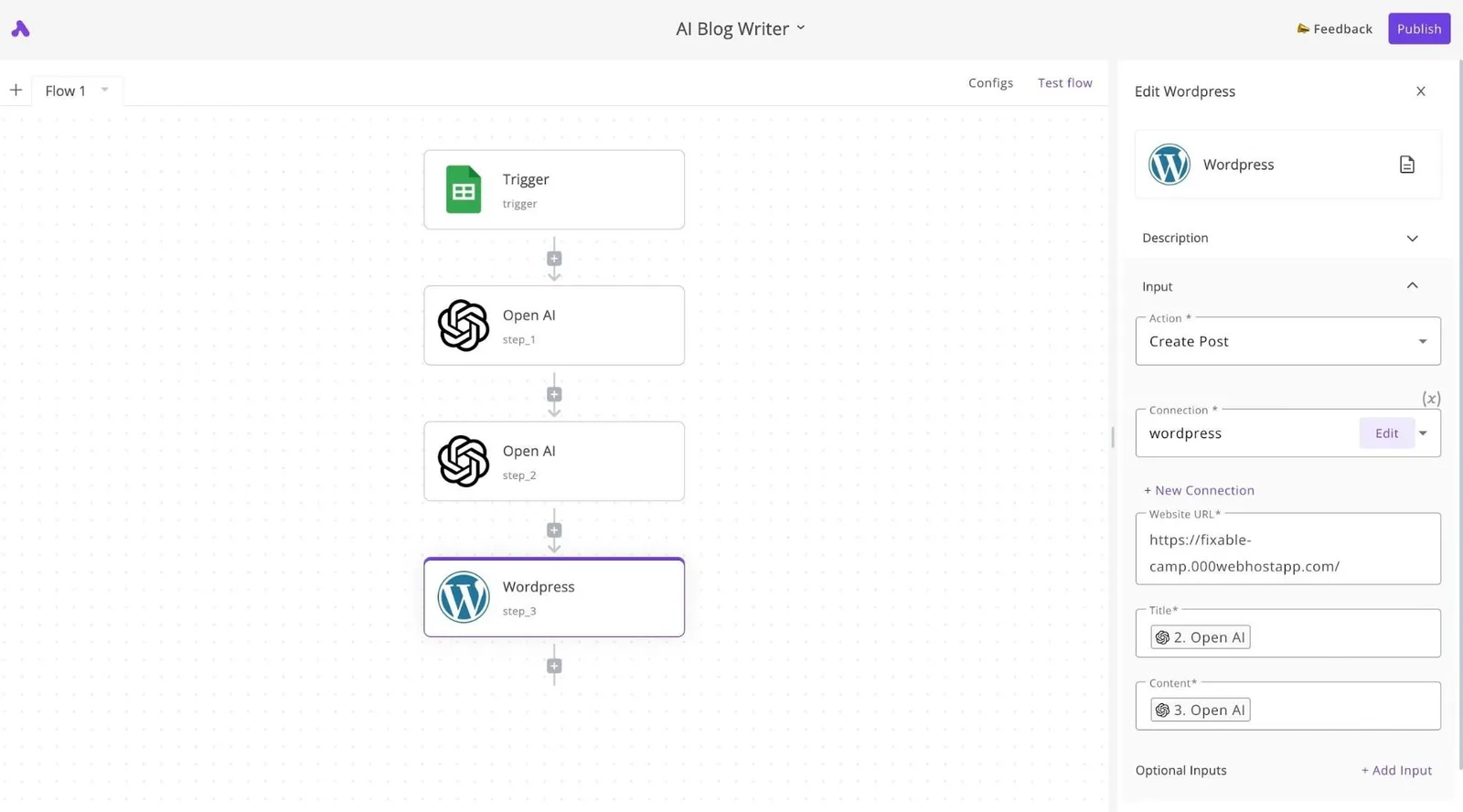
Activepieces secures this agency by shipping its core under an MIT licence, meaning every released commit is yours to run, fork, or embed without fair-code restrictions.
While n8n uses a source-available licence that limits your rights to look but not to redistribute, the MIT-licensed core of Activepieces ensures that if a vendor raises prices or paywalls a feature, you own the right to migrate on your own terms.
The open-source nature of the core allows for structural resolutions rather than endless threads of communal debugging.
Moreover, a forum post for a closed tool is a request for a miracle from a vendor; a post for an open tool is a technical specification for a contribution.
Why high engagement often masks a sinking ship
Volume increases as stability decreases when a platform’s roadmap diverges from your needs.
Moreover, a forum post for a closed tool is a request for a miracle from a vendor; a post for an open tool is a technical specification for a contribution.
2025 will see the Digital Process Automation (DPA) market at $11.94 billion, and Dataintelo projects it will grow to $32.38 billion by 2034, signaling a massive expansion in enterprise reliance on automated workflows, which means software providers are poised for a decade of sustained, high-growth investment.
Complexity in your enterprise workflows will soon outpace the ability of any volunteer forum to provide reliable support.
As you scale toward this $32 billion reality, you require the security of a portable codebase rather than tribal knowledge, so that your operational continuity does not vanish if key personnel depart.
Relying on a "loud" community to sustain a proprietary tool is a bet that the vendor won't pivot, sell the company, or sunset a critical API.
The noise floor of a legacy user base
A legacy user base creates a noise floor of repetitive queries that obscures the actual technical health of a software product. This volume includes:
Unresolved bug reports for deprecated nodes that the vendor has no financial incentive to patch.
Feature requests that have remained "under consideration" for multiple years because the proprietary architecture can't support them.
Workarounds for rate limits that exist solely to drive you toward higher-cost proprietary tiers.
Everything below works on Activepieces' free plan. Start without code or a credit card.
How vocal minorities distort the product roadmap
Proprietary vendors mistake the volume of community activity for product health, failing to see that a loud minority often steers the roadmap into a technical dead end.
The trap of the power-user feature request
Edge cases often take priority over core stability at closed-source firms because the most vocal users are those who have already built complex, fragile workarounds.
A "Sunk Cost Feedback Loop" is created by this prioritization. The product evolves to serve those who have already spent months configuring it, rather than those trying to solve a simple problem.
**Power users demand hyper-niche features to sustain their existing, complex workflows. Developers prioritize these edge cases to appease the loudest segment of the community, neglecting core stability. New users find the resulting UI cluttered and unintuitive, leading them to exit the platform immediately.

The community becomes a shrinking circle of specialists who are the only ones capable of navigating the interface.**
Why the silent majority leaves without posting a complaint
New users who encounter a "400 Bad Request" or a cluttered dashboard don't write long-form forum posts; they simply cancel their subscription. Because the source code is hidden, these users can't diagnose whether a failure is a bug or a limitation of the platform's architecture.
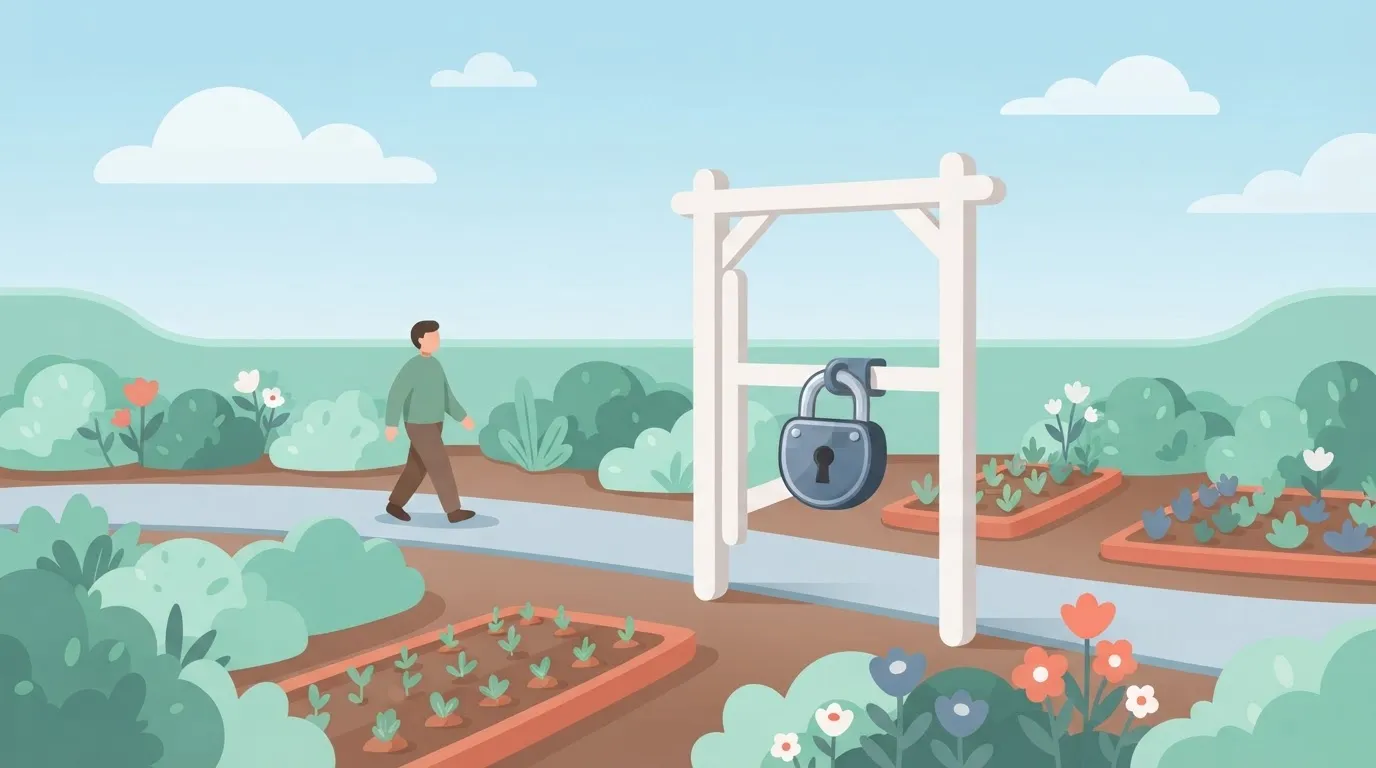
This leaves the vendor with a skewed data set: they only hear from the "survivors" who were willing to tolerate the friction. This dynamic leads the product team to believe their UX is functional when it's actually just filtering for high pain tolerance.
How invested power users skew feature requests
The loudest voices in a proprietary community are frequently those who have invested the most time in a tool they don't own.
These users advocate for features that protect their existing investment rather than demanding the extensibility that would allow the tool to survive a vendor shutdown. When the roadmap is driven by this group, the product becomes a collection of band-aids.
Structural product failures that community spirit cannot fix
A vibrant community can't patch a foundation that was never designed to hold the weight of enterprise logic.
Technical debt and the ceiling of scalability
A closed-source engine eventually hits a performance wall where the cost of executing a workflow exceeds the value of the automation itself. Because you can't optimize the underlying execution layer, you're forced to build inefficient workarounds that consume more memory and CPU cycles.

| Failure Mode | Root Cause | Impact on the User |
|---|---|---|
| Technical Debt | Core architecture cannot scale | Workflows fail under heavy load, forcing users to manually shard data or abandon the tool. |
| Integration Rot | API connectors break faster than the vendor can fix them | Critical business processes stop without warning because the "black box" connector is outdated. |
| Pricing Misalignment | Value extracted exceeds value delivered | The vendor raises per-task costs or locks essential features behind a "Pro" tier, making the existing community build-out unaffordable. |
The high cost of maintaining a broken integration ecosystem
Integration rot occurs when a tool's library of connectors becomes a liability. In a closed ecosystem, you're at the mercy of the vendor's "Verified" badge.
If an API update from a third-party service like Salesforce or Slack breaks the connector, the community can only file support tickets and wait.
Market shifts that render specific automation logic obsolete
Proprietary tools are built around specific opinions on how data should flow. These opinions become anchors when the industry moves toward new standards like Event-Driven Architecture.
When a vendor fails to pivot their core engine, the entire community’s library of shared workflows becomes legacy code overnight.
Easier to see it running than to read about it: set it up free, no card.
Building long-term viability with Activepieces and open ecosystems
Avoiding vendor lock-in with open-source licensing
Activepieces secures your autonomy by distributing its core engine under the MIT license. This license allows any organization to host, modify, and maintain the automation runner independently of the original vendor.
If the central company ceases operations, a developer can move the entire workflow stack to a private virtual machine without losing a single automation logic gate. Proprietary tools function as black boxes; if their API goes dark, the workflows vanish.

With an open-source core, you own the binary, ensuring mission-critical business logic remains operational.
Turning community energy into actual code contributions
A modular architecture allows the community to build and maintain functional connectors directly on GitHub rather than just discussing workarounds.
Activepieces allows teams to treat flows like software by syncing them to git for versioning and review. While a SaaS-only platform locks your history in a private UI, this approach ensures that promotion to production is a deliberate, reviewed step.
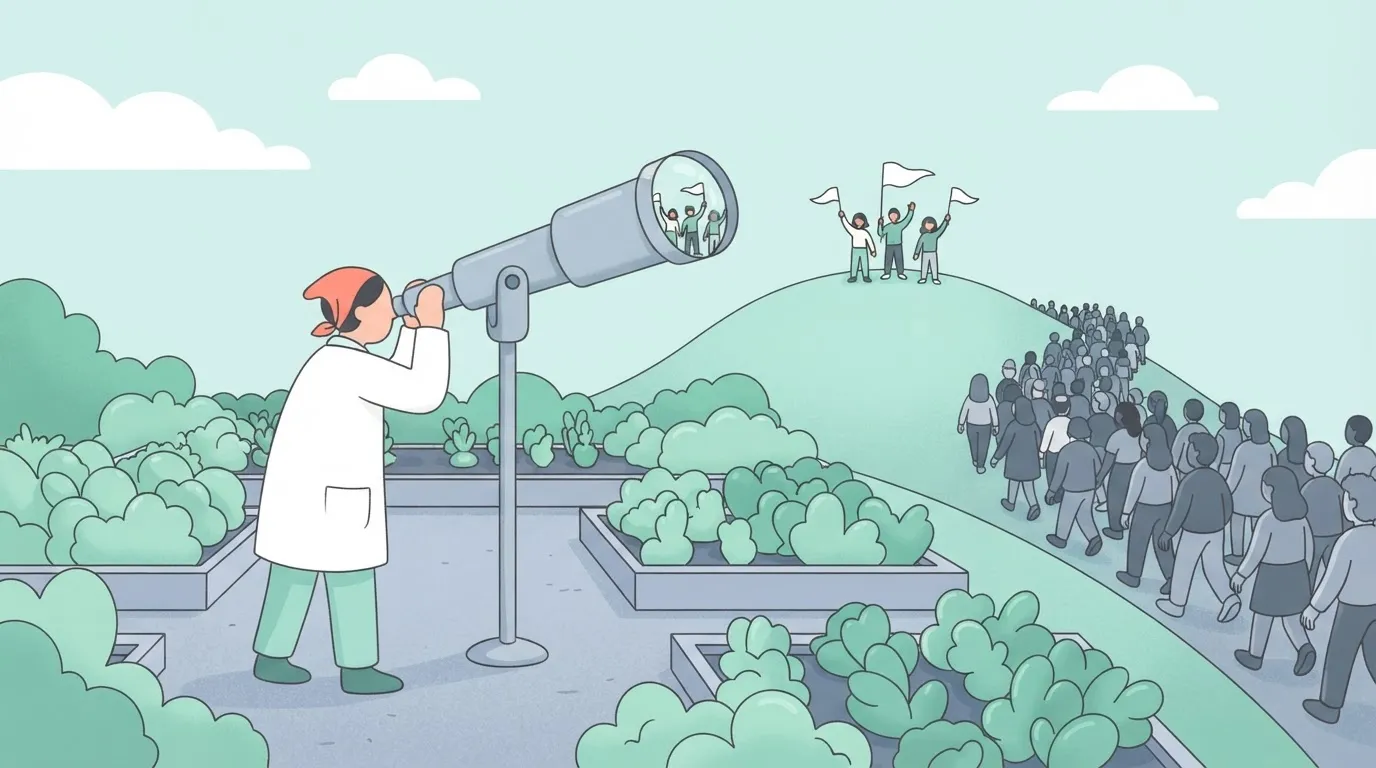
MoneyGram, Moneypenny, Alan and FundingSocieties run Activepieces in production, benefiting from a transparent architecture that allows for central governance and auditability across every department.
The lower volume in the open-source alternative shows a shift toward direct code contributions where a bug is met with a Pull Request rather than a complaint. This shift transforms you from a passive consumer into a co-author.
Because the connector integrations are decoupled from the core engine, a developer can write a new integration and merge it into the main branch, making that functionality permanent.
Transparent roadmaps as a trust-building mechanism
Trust in an automation tool is built on the visibility of its internal logic. Activepieces ships its core under an MIT license, making the code inspectable. You can verify the status of a fix before committing your data.
This transparency eliminates the "support ticket void." When the roadmap is public, the community can prioritize and ship critical security patches themselves, ensuring the tool evolves at the speed of your needs.
The Monday morning audit for your automation stack
An automation stack remains reliable only if the underlying code moves faster than the API updates of the services it connects to. When a vendor obscures their development velocity, they shift the risk of broken workflows entirely onto you.
How fast automation vendors fix critical bugs
A tool’s health is defined by the interval between a reported API breakage and the deployment of a fix. In closed-source environments, you're limited to submitting a support ticket and waiting.
An open-source core allows your lead engineer to bypass the support queue by identifying the specific line of code causing the failure and applying a patch immediately.
New features versus maintenance in vendor changelogs
If a platform’s changelog shows a high frequency of UI redesigns but few updates to its OAuth implementations, the vendor is prioritizing customer acquisition over reliability.
The following audit evaluates whether a tool deserves to remain in your production environment:
Check GitHub commit frequency to see if the core engine is receiving daily updates or has been stagnant for months.
Compare integration parity against your top 5 apps to ensure the tool supports the specific API actions, such as "Update Record" or "Search User," that your workflows require.
Calculate 'Time to First Success' for a new hire to determine if the tool's complexity is an asset or a barrier to scaling your team.
Review the roadmap for security-focused updates that address modern authentication standards rather than just cosmetic changes.
Setting a migration trigger for stagnating tools
A migration trigger is a pre-defined failure threshold that mandates the transition to an alternative platform. Relying on a tool that has missed three consecutive security patches creates an unacceptable level of operational risk.
Establishing these triggers before a total system failure occurs ensures that your IT department isn't forced to make a high-stakes migration under pressure.
Frequently asked questions about community-led growth?
Does a large Discord server mean a tool is safe to adopt?
A high member count in a chat server indicates interest but is no guarantee of technical longevity or support quality.
When a proprietary vendor experiences a service outage or shifts their pricing model, a Discord server with thousands of members is a centralized hub for synchronized frustration rather than a source of patches.
Because the underlying code remains locked, these users lack the legal or technical standing to fix a critical bug. This means the community's collective knowledge is limited to finding workarounds for a platform you don't own.
How can you tell if a community is toxic or just passionate?
Distinguishing between toxicity and passion requires looking at whether users are troubleshooting specific API limitations or defending the vendor against legitimate architectural criticism. A passionate community produces documentation, shared templates, and detailed bug reports that help other users bypass known hurdles.
In contrast, a toxic environment emerges when the user base becomes an unpaid marketing arm. These users dismiss reports of data loss or vendor lock-in as "user error" to protect the perceived value of their own implementation skills.
When should a company ignore its most active forum members?
You must prioritize your own operational requirements over the suggestions of power users when those users advocate for features that deepen dependency on a closed ecosystem.
The most vocal members of a forum often represent a vocal minority who have built their careers on a specific tool's quirks.
This specialization leads them to resist changes that would make the tool more interoperable or easier to migrate away from. Following their lead can result in a tech stack that is highly customized but impossible to maintain if the vendor's business priorities shift.
Is open source the only way to ensure a tool won't die?
Open-source licensing is the primary mechanism that prevents a tool from disappearing when a vendor goes bankrupt or end-of-lifes.
While a proprietary tool exists only as long as its hosting company remains profitable, an MIT-licensed core allows any developer to fork the repository and host the service independently.
This transition ensures that existing automation workflows continue to execute without modification to the logic. Security vulnerabilities can be patched by the remaining user base. Data remains accessible through the original database schema rather than being trapped behind a deactivated login portal.