
AI Content Moderation Workflow: A 2026 Guide

Nov 14, 202611 min read
Modern content moderation operates as a straight-through processing engine where incoming data triggers an automated sequence of classification, evaluation, and enforcement, often utilizing specialized workflow tools like Activepieces to coordinate these disparate API calls.
By adopting this architecture, you move the human from the front line of every post to the back office of rare exceptions. A robust automation layer bridges the gap between user-facing platforms and high-reasoning inference models.
AI content moderation workflows replace manual review queues
By adopting this architecture, you move the human from the front line of every post to the back office of rare exceptions.
The three-part architecture of a modern workflow
To ensure that no piece of content bypasses scrutiny, every resilient moderation system relies on three layers.
The Trigger Source acts as the entry point. Whether it is a Discord message, a WordPress comment, or a Zendesk ticket, this source pushes raw data into the workflow instantly.
The Classification Model functions as the reasoning engine. Using models like Gemini 3.5 Flash-Lite or Mistral Moderation 2, the system analyzes the payload against a specific safety policy to determine if the content contains prohibited intent.
Programmatic tasks are handled by the Action Layer. This is the final execution step where the system deletes the post via an API call, shadow-bans the user, or routes the ticket to a human dashboard for a final ruling.
Why keyword filters fail where LLMs succeed
Intentional misspellings and evolving slang easily bypass legacy moderation. Modern models like Claude Haiku 5.5 succeed because they evaluate the semantic context of a sentence rather than matching strings.
Linguistic Nuance is a primary differentiator. A keyword filter can't distinguish between a slur used as an attack and the same word used in a self-reclaiming educational context.
80% of the value in modern systems comes from Adversarial Detection. Developers train specialized models such as Shieldstral 1.0 specifically to identify jailbreak attempts. These models catch users who attempt to trick the system through complex roleplay or prompt injection.
Multimodal Reasoning allows for deeper analysis. While a filter only sees text, a vision-capable model like GPT-6.1 Terra can analyze an image and its caption simultaneously to detect if visual components contradict written safety claims.

This takes minutes, not a project: automate it in Activepieces free.
Connect data sources to moderation models
Automated moderation begins by linking a real-time data stream to a classification engine. This connection ensures the system intercepts user-generated content before it reaches a public-facing interface.
Setting the Webhook or Database trigger
When an external event occurs, such as a new comment, it signals the automation platform to begin processing.
In high-volume environments, a Webhook is the most efficient entry point because it pushes data instantly. If you store the content first, use a "New Row" trigger in Google Sheets or a "New Record" trigger in Airtable.

The trigger must capture the raw text string and a unique user identifier to attribute violations to specific accounts.
Configuring the OpenAI Moderation 'integration'
Once the trigger captures the text, the system passes it to a specialized moderation model. Using a dedicated moderation step is more cost-effective than using a general-purpose model like GPT-6 Astra.
The OpenAI Moderation integration scans text for specific categories like hate, self-harm, or violence. It returns a boolean "flagged" value and a set of scores for each category.
You configure this by selecting the input text from your trigger and setting a threshold, such as 0.7, to determine what constitutes a violation.
Using AI agent steps for complex moderation decisions
An Agent step differs from a standard Classification Model by its ability to use tools and maintain state.
While a basic moderation integration returns a simple true or false flag, an Agent can search a knowledge base of community guidelines or cross-reference a user's past behavior before deciding.
Adding this step requires selecting an AI Agent provider from the integration library and assigning it a specific persona. You define the instructions, such as "Act as a senior community moderator," and provide it with the context of the conversation.
The Agent then processes the input not just as a string, but as a situational event requiring a reasoned response.
A unified automation platform runs the entire moderation logic on a single engine, ensuring that high-reasoning Agent steps and deterministic rules exist within the same flow definition.
By placing an Agent step alongside a fixed automation step in the flow builder, you can view a single execution logged in the run trace from start to finish, rather than managing two separate systems bridged by a callback.
Testing the first automated flag
Validation requires sending a known "unsafe" string through the trigger to verify that the workflow correctly identifies a violation. A successful test results in a "True" flag for the relevant category.
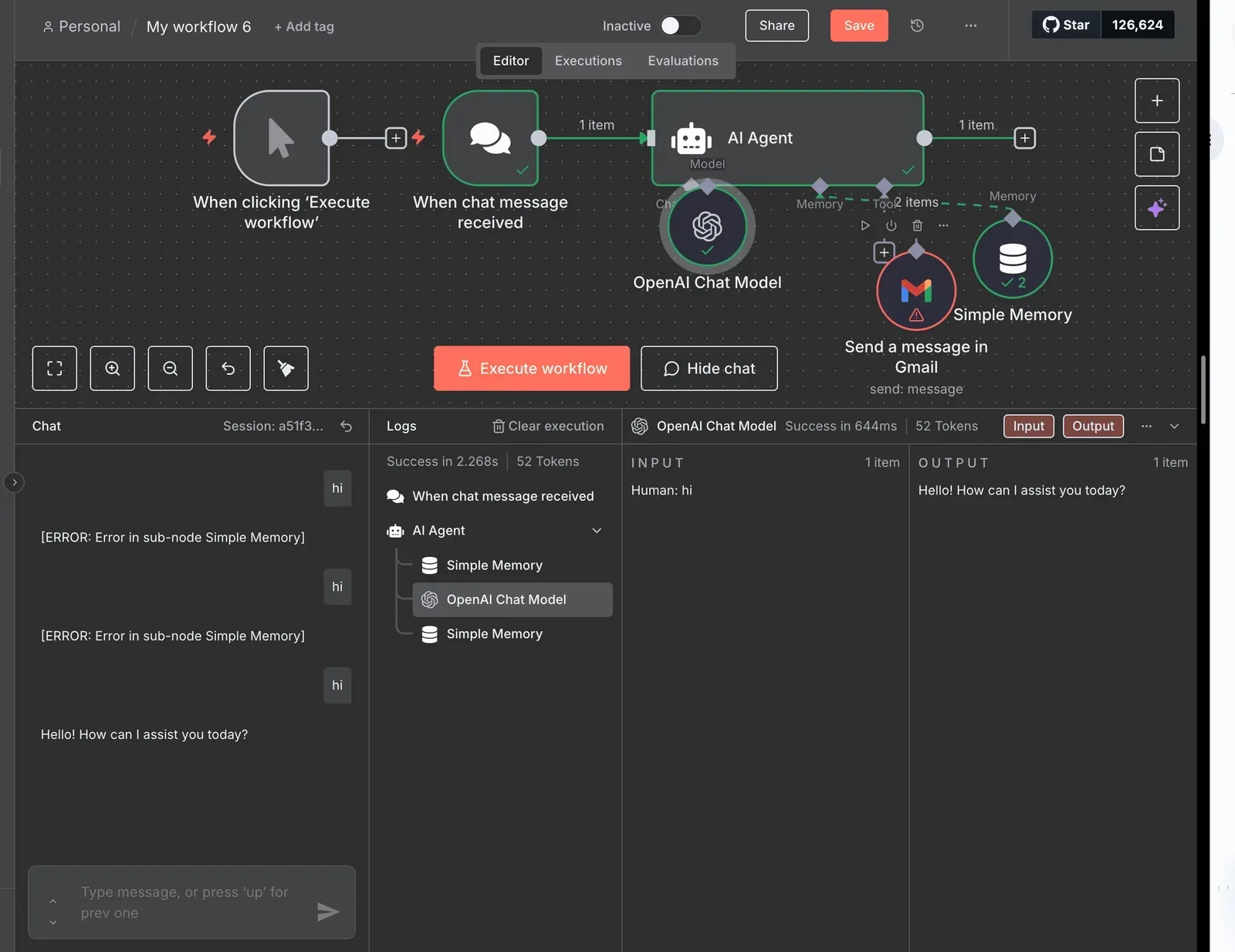
If the model fails to flag a nuanced phrase, adjust the sensitivity threshold in the step configuration.
| Platform | Best For |
|---|---|
| Zapier | Teams already using a wide array of SaaS tools who need pre-built, one-click integrations. |
| Make | Complex logic where you need to transform or map data extensively between steps. |
| n8n | Technical teams requiring self-hosting to keep sensitive moderation logs on their own servers. |
| Activepieces | Open source automation with 748 integrations and unlimited flows on every plan, including the $0 free plan. |
To begin building this classification logic, visit a specialized OpenAI integration page and start free.
Build automated response and review logic
Operationalizing moderation requires a branching workflow that separates obvious violations from content requiring subjective judgment.
Adding a Branch for 'Flagged' vs 'Clean' content
The workflow begins with a conditional router. If the model determines the content is safe, the automation terminates or publishes the post. If flagged, it enters a secondary filtering stage. Splitting the path here prevents "over-blocking," where a sensitive algorithm stifles legitimate engagement.
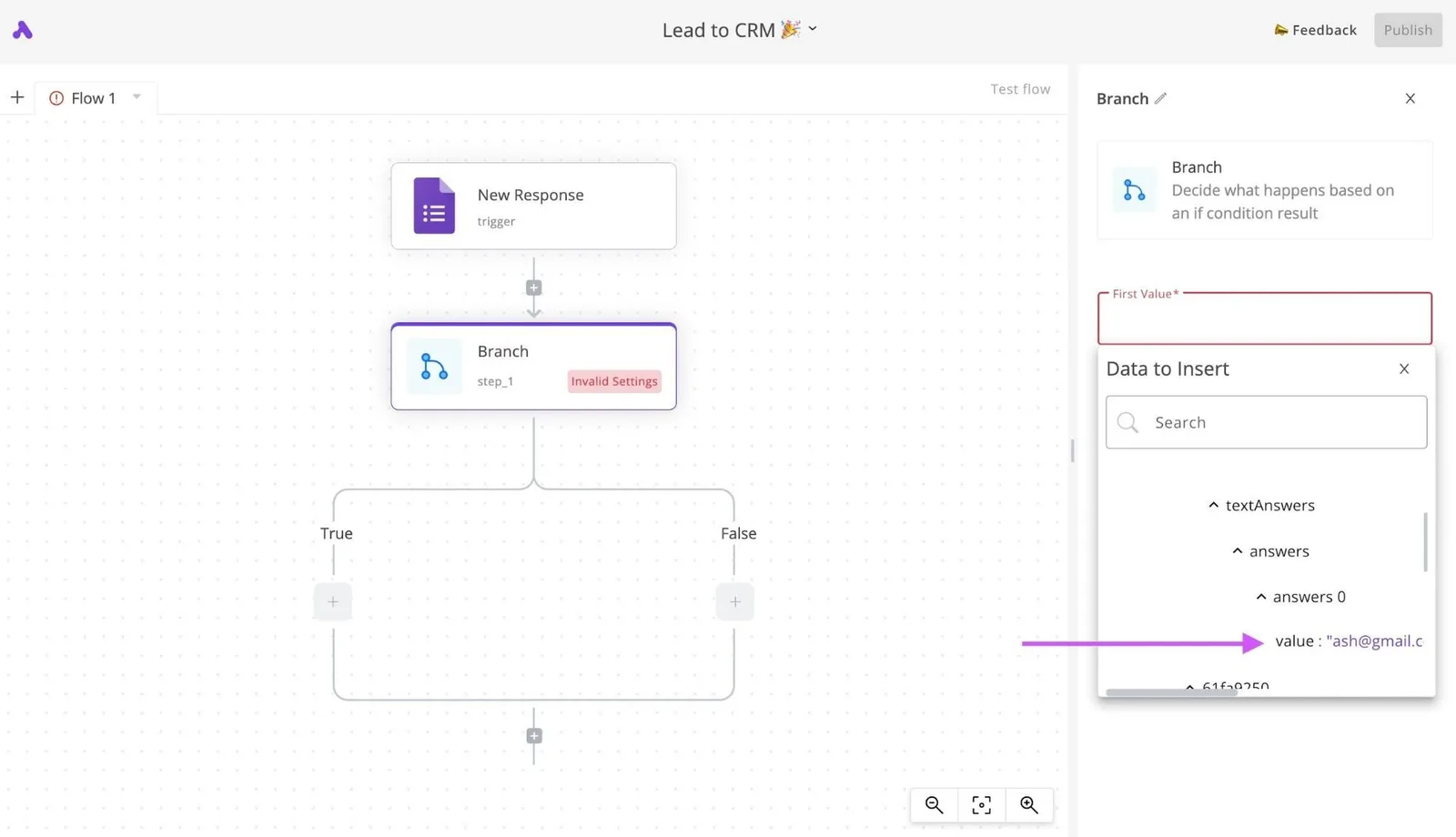
Activepieces captures every agent tool call and the data it acted on in a per-step decision trace that sits directly alongside your fixed workflow steps.
This unified record exports as audit logs and event streams into the SIEM your security team already runs, allowing an agent's moderation decisions to be reviewed with the same transparency as a standard programmatic step.
Sending high-confidence violations to Slack or Discord
When a model identifies a violation with high confidence, the system executes an immediate "Auto-Delete" action. For these actions, the workflow sends a notification to a dedicated Slack channel or Discord server using a webhook. Administrators then have a searchable audit trail.
These notifications should include the offending text, the rule violated, and the model's reasoning string.
Creating the manual approval queue in Airtable or Google Sheets
Content in the "low confidence" gray area goes to a database for human inspection. Airtable is a robust moderation queue because its "Button" field can trigger a secondary automation to "Approve" or "Reject" with one click. Google Sheets is a lower-cost alternative for high-volume logging.

Once a human moderator changes a status in this queue, a final automation step triggers. If marked "Approved," the system pushes the content to your live site. If "Rejected," the system sends a templated explanation to the user.
You can follow the rest of this with the builder open. Start free, no card.
Managing the limits and errors of automated moderation
Automation fails when logic can't account for the ambiguity of human intent, requiring a fallback system to prevent system-wide lockouts.
Reducing false positives and false negatives in moderation
To ensure a single AI misinterpretation doesn't delete legitimate contributions, use a double-check logic gate. The first pass uses Claude Haiku 5.5 for high-volume classification. The nuance check routes all "Uncertain" flags to a high-reasoning model like Gemini 4 Carbon.
If both models disagree, the automation triggers a Slack notification so a person can make the final call.
Managing API rate limits with comment batching
High-volume sites often hit API rate limits. To prevent this, use a queue-based system.
- Trigger: A new comment is sent to the automation platform.
- Delay: The system waits sixty seconds to group multiple comments.
- Batch Request: The automation sends the group to GPT-6 Luna.
- Error Handling: If the API returns a "429" error, the workflow is set to "Retry with Exponential Backoff."
Comparing OpenAI and self-hosted Shieldstral 1.0 costs
The financial viability of automated moderation depends on the ratio of input tokens to the value of the content.
Managed intelligence is falling in price faster than the cost of hardware maintenance. While self-hosting Shieldstral 1.0 offers data privacy, the operational complexity makes managed services like Mistral Moderation 2 a more predictable expense.
Build your moderation workflow in Activepieces in ten minutes
Activepieces provides 748+ integrations to connect your community platforms to AI safety models under a single governance layer. You can automate the routing of toxic content to private logs while allowing safe interactions to remain public.
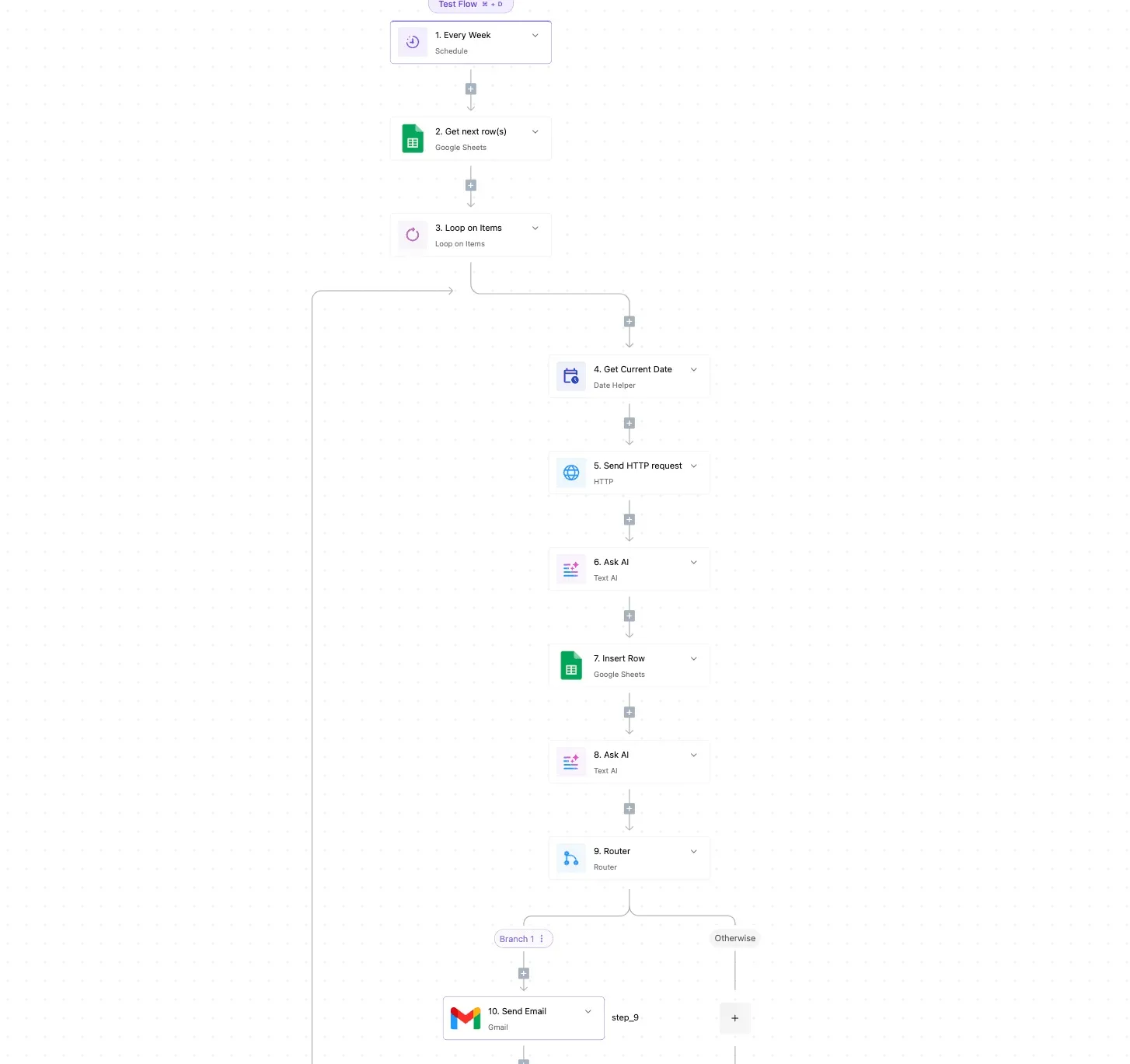
Selecting the Moderation Integration in the workflow builder
By dragging and dropping pre-built integrations known as Pieces, you can define the sequence of your moderation logic.
The screenshot illustrates a branching strategy. After the AI analyzes the content, a router uses conditional branching. If the model identifies a high-nuance exception, the "Branch 1" path triggers a Gmail step to alert a supervisor. The "Otherwise" path updates the status in Google Sheets.
Mapping dynamic content to the moderation input
To make the automation functional, map variables from your trigger into the AI Integration input fields. Use the "Data Pill" picker to insert the text body from the preceding step. This ensures the AI evaluates the unique content of every incoming report.
Activating the workflow and monitoring execution history
Once the logic is mapped, toggle the "Publish" switch. Activepieces provides an execution history log for every run, which is essential for auditing why a specific post was flagged.
MoneyGram and FundingSocieties run Activepieces in production to manage complex automation environments where visibility is critical. The MIT licence on the core ensures that teams can maintain full control over their moderation infrastructure while scaling to meet demand.
Start building your automated safety engine by exploring the Activepieces Pieces library or start for free today.
Frequently asked questions about AI moderation?
Does AI moderation comply with the EU Digital Services Act?
To meet the Digital Services Act (DSA) requirements for rapid content removal and systemic risk mitigation, AI moderation serves as the primary technical layer.
By using models like Mistral Moderation 2, platforms can demonstrate the "due diligence" required to avoid financial penalties.
| Penalty Type | Amount |
|---|---|
| Maximum DSA Fine | 6% of global annual turnover |
| Information Supply Fine | 1% of annual turnover |
| Periodic Penalty Payment | 5% of average daily turnover |
Automated systems must now include audit trails for every flagged post. The hybrid workflow ensures that AI handles the bulk of the filtering while the mandatory human-in-the-loop appeal process is preserved.
Can AI detect nuance like sarcasm or irony in 2026?
By analyzing the delta between literal text and the established user context, high-reasoning models like Claude Fable 5.2 and Gemini 4 Carbon now identify linguistic nuance.
In 2026, these models utilize "long-horizon" reasoning to check a specific comment against the previous ten messages in a thread. This allows them to distinguish between a genuine threat and a sarcastic retort.
What is the latency for real-time chat moderation?
Using high-velocity models like Gemini 3.5 Flash-Lite or GPT-6 Luna, real-time moderation is now achieved in sub-second intervals.
These models are designed specifically for "stream-and-scan" workflows where the system analyzes the text as it is typed. For audio-based environments, GPT-Realtime-Whisper provides the low-latency transcription necessary to feed text moderators without delaying the natural flow of a voice conversation.
Build it
Set this up in minutes.
No code required. Connect your accounts, and Activepieces runs it from there.
Start free Talk to sales