What Actually Transfers When You Migrate Off Automation Anywhere

Oct 4, 202614 min read
When migrating off Automation Anywhere, the most critical realization is that your existing bots cannot be simply copy-pasted into a new environment. Because RPA scripts are built on proprietary architectures, the logic, selectors, and variable mappings must be manually reconstructed or re-mapped.
While you might explore open-source alternatives like Activepieces to handle specific API-driven workflows, the core transition involves auditing your current process documentation to ensure the underlying business rules remain intact.
Ultimately, what truly transfers is your operational knowledge and process definitions, rather than the literal code, requiring a strategic approach to rebuilding automation equity from the ground up.
Automation Anywhere migration involves logic rather than code
When you begin a migration, you are extracting durable business logic from proprietary wrappers so it can be re-platformed into a modern architecture.
Because Automation Anywhere stores instructions in closed formats, a successful transition requires teams to treat the source file as a legacy blueprint rather than a portable asset.
The proprietary nature of .atmx and .bot files
By design, Automation Anywhere uses the .atmx and .bot file formats as encrypted silos. These formats prevent direct execution in any third-party engine.
The files function as a "black box" where the underlying XML or JSON couples tightly to the vendor's specific runtime environment. Standard development tools can't parse the instructions without significant translation.
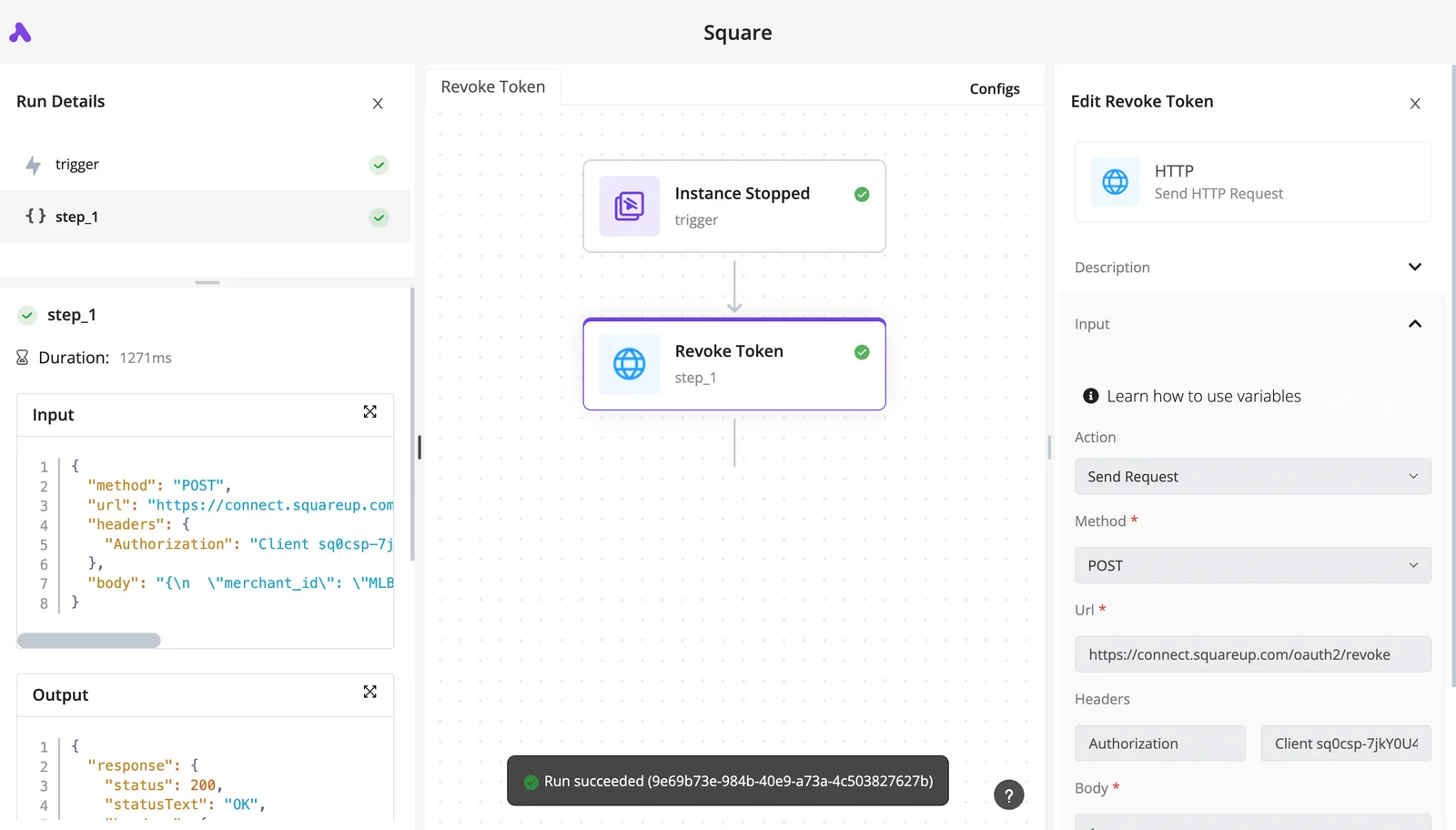
When the engineer begins the "unpacking" process, they discard the proprietary wrapper and extract the core Business Logic. This logic includes conditional if/then statements and iterative loops.
The engineer also extracts the Data Mappings to use elsewhere. This extraction ensures that the intellectual property of the workflow survives even after the team decommissions the vendor's execution engine.
Why 'lift and shift' fails in RPA migrations
Nobody succeeds with a direct "lift and shift" because it ignores the fundamental incompatibility between the source vendor's command library and the target platform's API-first structure.
When organizations use automated converters to force-fit legacy scripts into a new environment, they often inherit "ghost dependencies." These are references to local DLLs or specific Control Room configurations that no longer exist.
Nobody succeeds with a direct "lift and shift" because it ignores the fundamental incompatibility between the source vendor's command library and the target platform's API-first structure.
The result is a bot that technically deploys but fails at the first decision node.
By focusing on the logic rather than the file, Activepieces ensures the process remains readable and maintainable by engineers who didn't write the original script. This approach allows teams to rebuild workflows in an environment where the business logic is decoupled from the underlying infrastructure.
UI recording versus business rules explained
To ensure a successful migration, you must separate brittle UI selectors from the resilient business rules that govern the data flow.
While a recorder captures the specific coordinates of a button on a legacy ERP screen, the business rule defines the validation logic that determines if a transaction should proceed.
- UI selectors are volatile references to DOM elements or screen coordinates.
- Business rules are the immutable logical gates, such as tax calculation formulas or approval thresholds, that remain constant regardless of the software interface.
- Data schemas are the structured definitions of how systems organize and pass information, such as a customer record or an invoice.
Prioritizing these rules over UI recordings prevents the migration from becoming a simple replication of technical debt.
Everything below works on Activepieces' free plan. Start without code or a credit card.
Identify assets surviving the platform move
Only by extracting the abstract logic of a process from the proprietary wrapper of the old automation tool can a migration succeed.
Prioritizing these rules over UI recordings prevents the migration from becoming a simple replication of technical debt.
While the .atmx or .bot files are functionally useless in a new environment, the underlying architectural blueprints remain valid because they describe business requirements rather than software-specific syntax.
Documented process definitions and decision trees
The sequence of business events and the logic branching that dictates a process flow are the primary survivors of any platform transition. When a developer maps a "High-Value Invoice" path versus a "Standard" path, they're defining a business policy.
This policy remains true regardless of whether the execution engine is legacy or modern. Retaining these maps ensures that the new build adheres to existing compliance requirements. Consequently, the legal and audit teams don't need to re-approve the fundamental way the business operates.
Data transformation logic and variable schemas
Standardized data structures represent the most labor-intensive part of the original build. These include the JSON payloads used for API calls or the specific XML tags required by a legacy ERP.
These schemas define how the system validates and cleans data before it enters a system of record.
Preserving them prevents the "garbage in, garbage out" failure mode where a new tool accidentally pushes malformed strings into a production database.
By treating these schemas as portable assets, engineers can ensure that the downstream reporting tools continue to receive data in the expected format.
Credential vaults and access permissions that survive
The mapping of specific user roles to their corresponding system access levels constitutes the final surviving asset of a migration.
Even if the vaulting technology changes, the definition of which bot requires "Read-Only" access to a specific SQL server or "Admin" rights to a CRM remains a fixed security requirement.
Maintaining this architecture prevents privilege escalation vulnerabilities. It ensures that a migrated bot doesn't inherit broader permissions than its predecessor, which avoids creating a new attack surface during the transition.
Legacy components you must leave behind during migration
Successful migration requires stripping away the Automation Anywhere vendor-specific wrappers to reveal the raw logic that actually moves your business data.
Attempting to lift-and-shift proprietary components results in "ghost dependencies" where a script fails because it's looking for a system variable or a DLL file that doesn't exist outside of the AA ecosystem.
Architects must categorize legacy assets into those that can be translated and those that must be discarded.
Translating Automation Anywhere commands into open standards
For AA-specific commands, translating them into open standards is the only way to ensure your automation logic remains portable across different cloud or on-premise execution environments.
When a developer uses a "Window Action" or a specific "Excel Command" from the AA palette, they're tethering the process to a proprietary driver.

This driver can't be audited or moved. Replacing these with standard HTTP requests or native language libraries ensures the code can run in any containerized environment without requiring a specific vendor's runtime engine.
Breaking apart MetaBots and TaskBot wrappers
Engineers must decompose MetaBots into modular sub-flows or direct API integrations. A "black box" format traps their encapsulated logic, which prevents version control visibility.
While MetaBots were originally intended to promote reusability, they often hide complex UI interactions or DLL injections that crash when moved to modern, headless orchestrators.
The following table identifies the specific legacy structures that require immediate replacement to maintain operational continuity.
| Legacy Component | Replacement Strategy | Outcome of Transition |
|---|---|---|
| MetaBots | Modular sub-flows or API calls | Logic becomes visible in Git-based version control |
| Proprietary Commands | Standard Python/JS or HTTP requests | Eliminates dependency on vendor-specific runtimes |
| Control Room Schedules | Native cloud triggers or CRON expressions | Enables infrastructure-as-code deployment models |
Transitioning away from these components allows the engineering team to treat automations as standard software assets rather than proprietary scripts.
Migrating Control Room schedules and work queues
Hard-coded schedules and proprietary Work Queue configurations must be abandoned in favor of decoupled event triggers to prevent vendor lock-in at the orchestration layer. In the AA Control Room, the schedule is often tightly coupled to a specific Bot Runner's identity.
This means a single machine failure can halt an entire business process.
By moving to standard message brokers or cloud-native triggers, the logic is triggered by the arrival of data rather than a rigid clock.
Easier to see it running than to read about it: set it up free, no card.
The build phase dominates the bot development lifecycle
Five times more resources are consumed by rebuilding the core logic and data mapping than by the initial discovery or final testing. This makes the "copy-paste" migration dream a primary driver of budget overruns.
While a discovery phase to map the existing process takes only 2 weeks according to Parallel Loop, this brevity often masks the complexity of the underlying business rules, leaving teams unprepared for the technical debt they are about to uncover.
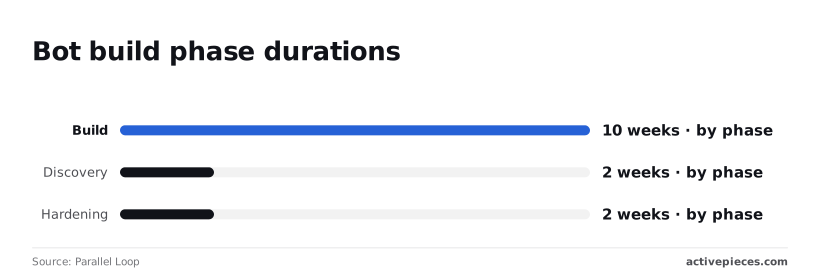
These rules must be extracted from proprietary .atmx or .bot files. The actual build phase requires 10 weeks.
This means engineers spend 70% of the project timeline manually translating legacy loops and conditional branches into modern code, drastically reducing the time available for actual innovation, which leaves little room for creative problem-solving.
The hardening phase (where the team stabilizes the bot against production edge cases) takes another 2 weeks, a period that often determines whether the automation will succeed or fail in a live environment, so the project's ultimate viability hinges on this final sprint.
A team that underestimates the build effort will inevitably compress their testing window and risk deploying bots that fail when they encounter unexpected data formats.
The following data illustrates how development time is distributed across the lifecycle, highlighting that the technical reconstruction of logic is the single largest bottleneck in any transition.
Resource allocation in migration strategy
This disproportionate allocation of time to the build phase forces a shift in migration strategy.
If the majority of the work is manual reconstruction, then trying to "convert" files is a wasted effort compared to documenting the portable data schemas. Parallel Loop's analysis puts the hardening phase at 2 weeks.
This means any delay in the 10-week build phase results in a direct delay to the production go-live date.
There's no "slack" left in the discovery or testing stages to absorb inefficiencies. Moving from the rigid, proprietary environment of Automation Anywhere to a more flexible architecture requires acknowledging that the labor is in the logic, not the file format.

Mapping logic to a modern execution engine
Migration succeeds only when you decompose Automation Anywhere's proprietary .atmx or .bot files into the universal data structures that modern execution engines actually use.
By stripping away the vendor-specific wrappers, you transform a legacy script into a portable set of instructions that can run on any platform supporting standard web protocols.
Activepieces runs the same codebase whether deployed on managed cloud or self-hosted infrastructure, ensuring that where a flow runs never dictates whether you can leave.
This parity means enterprise controls like RBAC, SSO, SCIM, and audit logs are available in both environments, rather than being held back for one deployment over the other.
Git Sync and Releases ships as a documented feature in the Activepieces docs, and self-host runs via Docker, Compose or Kubernetes on the same codebase as the managed cloud.
Converting Automation Anywhere loops to JSON arrays
Translating Automation Anywhere's "Loop" commands into standard JSON arrays ensures that your data remains readable by any modern programming language or integration platform.
In the legacy environment, loops often rely on internal system variables like $DatasetColumn$. This restricts the data to the AA runtime.
Converting these into JSON objects means the payload can be passed to a Python script, a Node.js worker, or a cloud function without re-parsing.
Activepieces uses Git Sync and Release Management to treat automations like software, ensuring that a flow that lives only in a vendor's UI is never actually reviewed.
By promoting versioned flows from test to production through documented release cycles, teams avoid the accidental "publish" errors common in SaaS-only platforms. Check Activepieces' own documentation for Git Sync and Release Management, the same product, self-hosted or on cloud.
Replacing UI automation with API-first triggers
Replacing brittle surface-level screen scraping with API-first triggers eliminates the primary cause of bot failure: changes to the target application’s Document Object Model (DOM).
While AA often relies on high-maintenance "Object Cloning" to detect buttons, modern engines use webhooks or scheduled polling to exchange data directly with the application's backend.
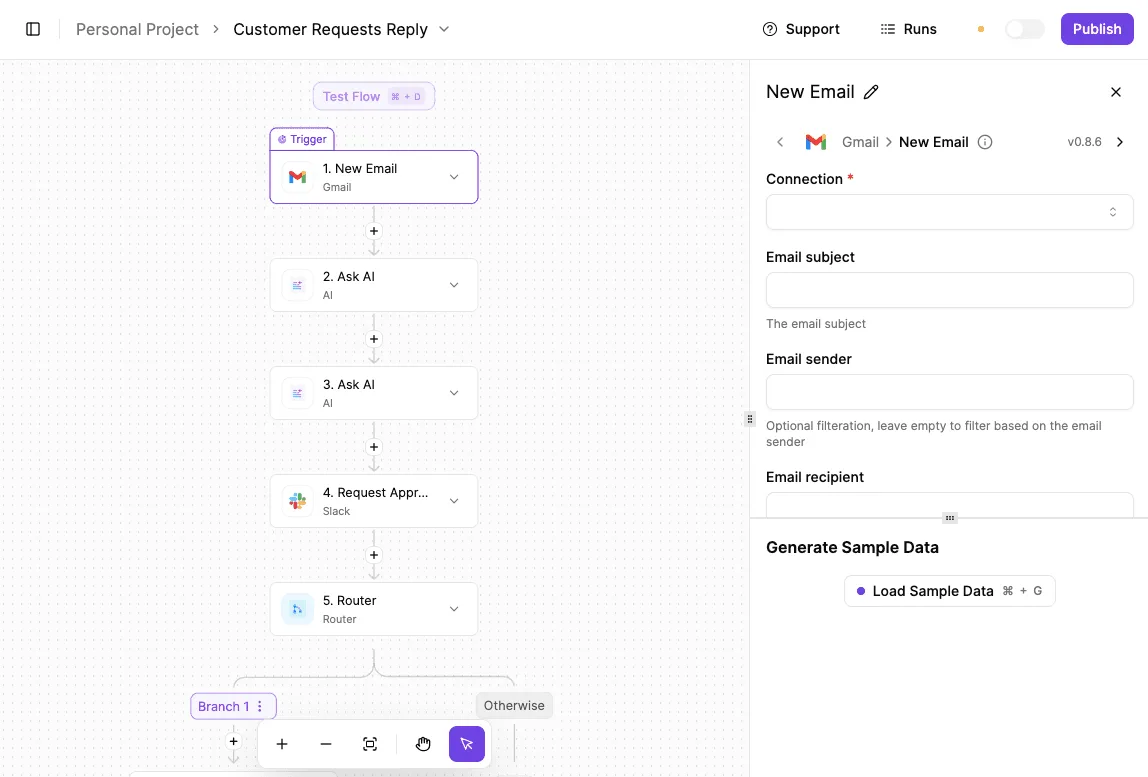
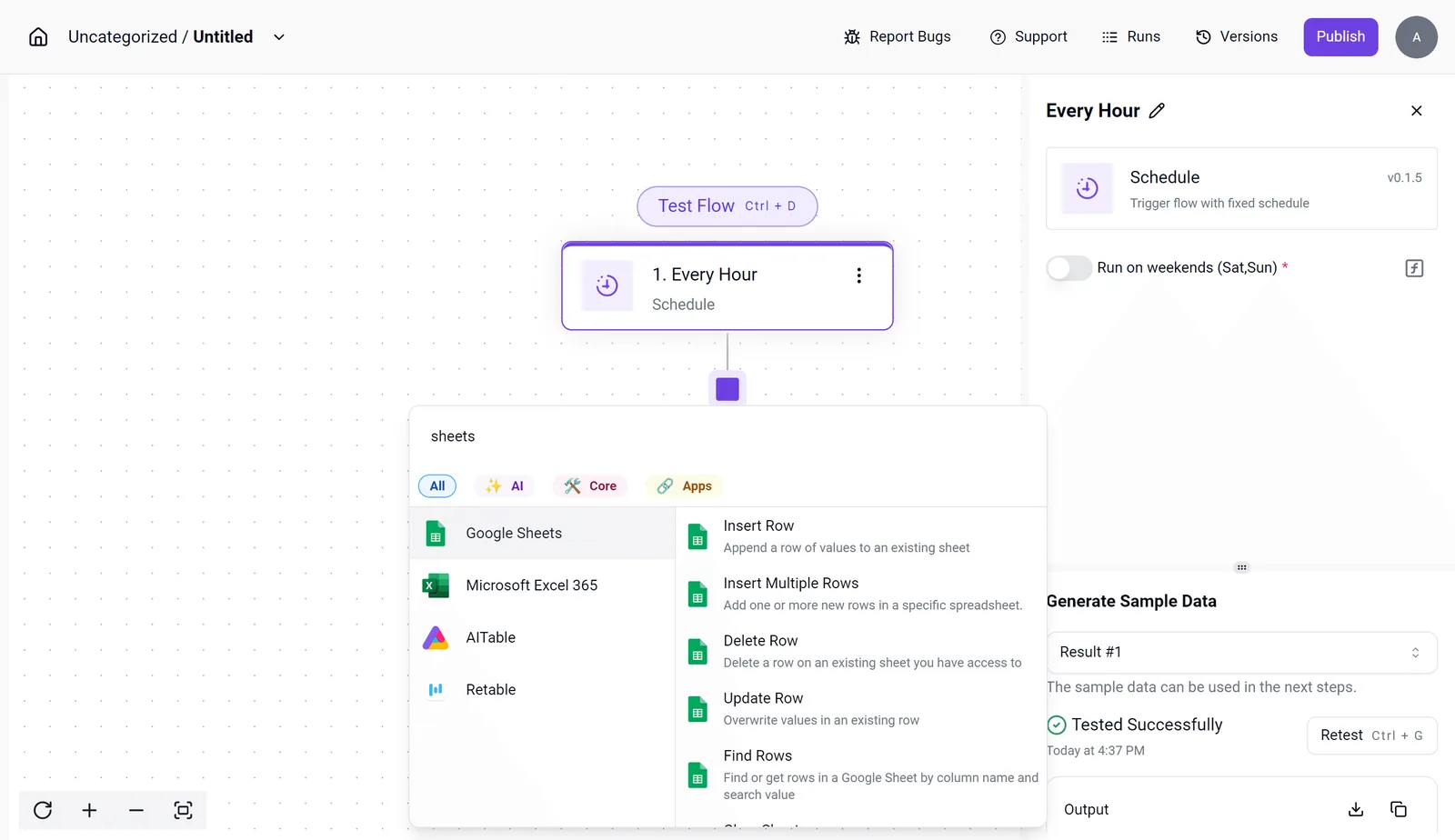
This architectural shift is visible in how modern builders structure a flow. A scheduled trigger initiates the process.
A dedicated selector modal allows the engineer to choose specific API actions (such as inserting or updating rows in a spreadsheet) rather than simulating mouse clicks.
Modern automation platforms prioritize API connectivity over UI simulation to ensure long-term stability.
By defining the interaction through these structured API calls, the workflow gains a layer of abstraction that survives UI redesigns.
Replacing Automation Anywhere error handling blocks
Standardizing error handling involves replacing AA’s "Error Handling" blocks with global try-catch patterns and centralized logging sinks.
In the legacy setup, an unhandled exception often results in a "Bot Error" that provides no context to external monitoring tools.
Implementing standard HTTP status codes and structured logs allows your incident response team to use a log aggregator like Datadog to identify the specific failure point.
MoneyGram, Moneypenny, Alan and FundingSocieties run Activepieces in production to maintain this level of control across their automation environments.
With an MIT-licensed core and 733 integrations, the platform allows teams to build on a foundation where roughly 60% of integrations are community-contributed, ensuring that as legacy systems are retired, the replacement logic remains portable and governed by the same enterprise standards regardless of the underlying infrastructure, which means developers benefit from a vast, crowd-sourced ecosystem that prevents vendor lock-in.
The Monday morning migration audit checklist
A successful transition begins by isolating the functional logic of a workflow from the proprietary wrapper of the legacy platform.
This audit forces a shift in focus from "how do we move this file" to "what is this process actually doing." This prevents the migration of broken or redundant logic into the new environment.
The following checklist establishes the baseline for the migration scope:
- The team exports the .atmx and .bot file inventory to establish a master list of active assets.
- Engineers identify hardcoded credentials within the scripts to ensure that sensitive passwords are migrated into a modern secrets manager.
- Developers map dependencies to MetaBots to pinpoint shared logic blocks.
- Architects validate API availability for target systems to determine if a brittle UI-based automation can be replaced with a robust service-layer integration.
- The migration lead assigns logic categories to each step so that developers can select the most efficient tool for each specific task.
Frequently asked questions about RPA migration
Can i export my Automation Anywhere database to SQL?
Automation Anywhere allows you to query the underlying Microsoft SQL Server database that stores audit logs and control room metadata.
The resulting tables don't provide a functional roadmap for rebuilding bots. The schema is optimized for the platform's proprietary execution engine.
An export gives you raw event timestamps and status codes rather than the conditional logic or variable mappings required to reconstruct a process in a different environment.
Will my existing bot licenses carry over to a new tool?
Bot licenses tie to the specific runtime architecture of the vendor's proprietary Runner or Agent software. This makes them legally and technically non-transferable to any other platform.
Because a license represents a seat for a specific binary executor, you must negotiate new commercial terms for your destination platform.
How do i handle encrypted credentials during the move?
Encrypted credentials stored in the Automation Anywhere Credential Vault can't be exported in plain text or injected directly into a new system's secret manager.
To maintain security during the transition, you must provision new secrets in a platform-agnostic key management service, such as HashiCorp Vault or Azure Key Vault.
You must also update the target application passwords to ensure the new platform uses distinct, auditable identities.
Finally, map the new secret references to the business logic during the rewrite phase.
Does migrating off AA require a total process redesign?
Migrating off the platform requires a redesign of the technical implementation, even if the underlying business rules remain constant.
Because the command structures and surface automation methods differ between vendors, a literal translation of "clicks" often fails.
Instead, you must document the data inputs and outputs to build a more resilient integration that targets APIs or database layers.