
Vercel Connect: Quickstart and Managed Authorization

Oct 16, 202611 min read
No third party has confirmed any of this; everything here rests on Vercel's own changelog.
Vercel Connect is Vercel's enterprise managed authorization release, and for automation teams, including those building workflows in tools like Activepieces, it matters because it moves the decision about which apps a connection can reach toward the organisation.
Enterprise managed authorization is an arrangement in which an organisation, rather than each individual user, controls which apps a connection can access, so that administrators set and enforce those permissions centrally.
Ask first who owns each connection. Under a managed model, that owner is the organisation rather than whichever person clicked "allow" on a token prompt.
Vercel Connect handles authorization for connections between apps, and in the enterprise version the organisation manages it. If you run automations across several apps, that's the part that changes.
Vercel Connect launch: what was released and when
This article uses only the changelog's definition and assumes nothing beyond it about scopes or token types.
Use the table below as a checklist. It holds only the facts the changelog supports, and whatever is missing from it is something to confirm on the changelog page before you plan around the release.
| Item | Detail |
|---|---|
| Released by | Vercel |
| Source | Vercel's changelog, the only source relied on |
| Checked date | 2026-10-16 |
Prices and plan limits checked against vercel.com and activepieces.com on October 16, 2026.
Before you commit a team to a build, recheck the entry, because Vercel can amend it. The checked date tells you how fresh this reading is.
Confirm the release date and eligibility on the entry itself. This article doesn't state them, because the entry's exact wording is not reproduced here.
You will find no price for Vercel Connect here. A changelog entry announces a release and isn't a price list, so treat cost as unconfirmed until Vercel's own page names it.
That caution matters for enterprise products, where contracts often set access.
This takes minutes, not a project: automate it in Activepieces free.
Why managed authorization matters to teams automating work
Before any build, settle who may use Vercel Connect. Whoever grants an automation its access decides how much damage a leaked key can do and how long a launch waits.
Where authorization sits in an AI automation
Each time a step reads or writes another app it needs a credential, and today each automation usually holds its own copies.
The two diagrams below set that against the managed model: on the left, separate keys run from the automation to three apps; on the right, one admin-controlled gate sits between the automation and the same three, so an admin grants and revokes access in one place.

The reason shows in Verizon's 2025 breach report: credentials begin 36% of breaches, so attackers' most reliable entry point is a compromised password or token.
Per Verizon, system intrusion follows at 22%, social engineering at 17%, basic web attacks and miscellaneous errors at 12% each, and privilege misuse at 8%. That means defenders face a landscape where no single control solves the problem.
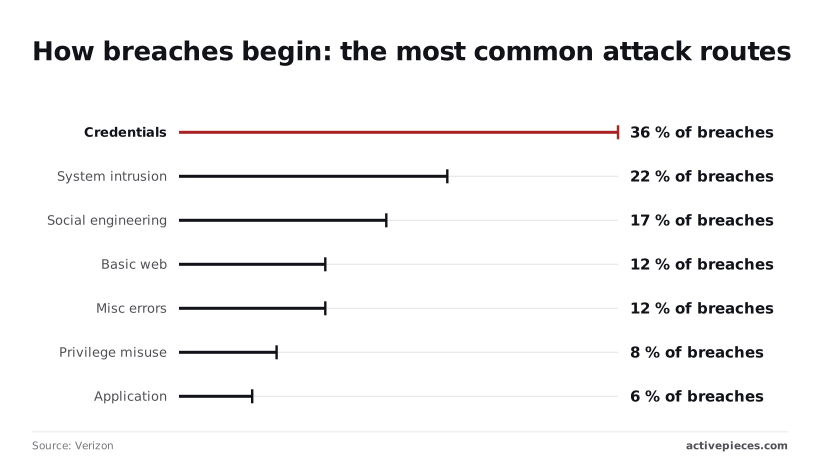
A stored key is therefore the most common way in, and every extra copy is one more to find and rotate.
What changes for the admin and what for the builder
On one side the admin gains the approval decision; on the other the builder loses some of the waiting. WorkOS reports that OAuth app review before org-wide use can take 10 weeks at Slack, the team messaging tool.
For Google's restricted scopes, review can take 6 weeks, so securing new scopes requires waiting at least six weeks. It takes 4 weeks for the GitHub Marketplace, which is where GitHub lists approved apps, and 2 weeks for Google's sensitive scopes, per WorkOS.

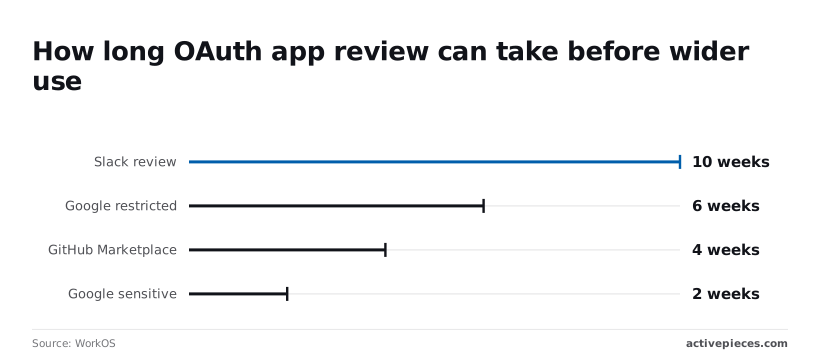
A builder who needs all of these waits on the slowest, so a plan with a Slack step can stretch past two months.
Nothing in the findings says managed authorization shortens any of those waits. The changelog, the only maker source, describes a change in control, not in timing or cost. Treat speed and savings as unproven, and record who owns each connection before anyone builds on it.
What's new in Vercel Connect
What the changelog adds
What's new is a matter of who holds access, not how fast or cheap it runs. The changelog entry adds enterprise managed authorization to Vercel Connect and publishes no speed, cost or benchmark figures.
The two points below keep to the capability as Vercel's changelog frames it, and we've added no figures of our own.
Who owns Vercel Connect authorization grants
For you, the first question becomes which administrator owns each grant, because enterprise managed authorization means the enterprise, not each individual user, administers authorization for the apps Vercel Connect reaches.
Record Vercel Connect as the connection owner of record before you build anything on it. It is the product the capability belongs to, the layer that connects apps.
We haven't run Vercel Connect, so no test results exist in this article. What follows is the detail the entry supports, and where it stops.
Think of Vercel Connect as the part of Vercel that links your apps to other apps; the changelog presents enterprise managed authorization as its new control over access.
Note the permission scope and token type of each connection when you review it, because the changelog doesn't set them out for you.
Vercel Connect release date, plans and pricing
Confirm the date and which plans can use the capability on Vercel's own changelog page before you plan around it. The entry is the only dated source we rely on. We don't restate either here, because a secondhand date would be an unverified claim.
We confirmed no price for this capability, so we state none. Treat cost as unknown until Vercel's page names it, and keep it out of any business case until then.
You can follow the rest of this with the builder open. Start free, no card.
Connecting Vercel Connect to your other apps in Activepieces
Because Activepieces has no confirmed integration for Vercel Connect, the route in from your other apps today is a generic HTTP request in Activepieces. The Activepieces catalog lists a Vercel integration that deploys projects and manages environment variables, with 6 actions and 0 triggers.
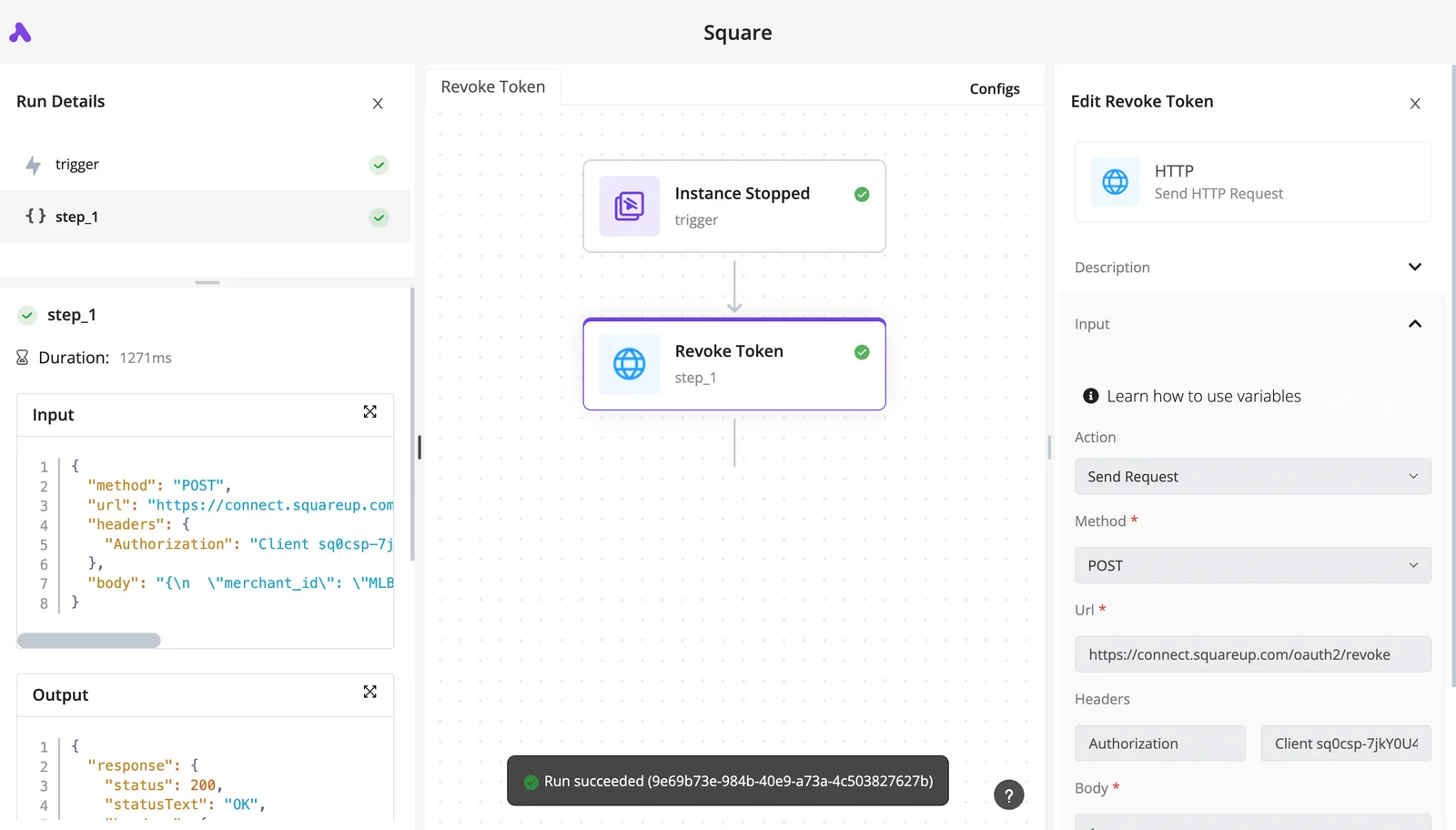
That means it can act on Vercel but can't start a flow, so every flow below needs a trigger from somewhere else. We haven't tested any of this against Vercel Connect.
A missing Vercel Connect integration or trigger doesn't have to wait on anyone's release schedule.
Create a new flow and choose a Schedule or Webhook trigger. Run it once with sample data.
You now have a flow that fires on demand, which is all the later stages need. Name the flow after the connection it serves, and record who owns it.
Add the HTTP step and fill it in this order:
- Enter the URL of the Vercel endpoint you are calling, from Vercel's own documentation.
- Add an Authorization header carrying a Vercel access token, and note which team the token covers.
- Add the body fields that endpoint requires.
- Test the step and read the response.

A passing test proves the token works. Whoever created that token owns this access, so if they leave, the flow stops. Use a token issued to a service account, not a person, where Vercel allows it.
Pass the result to another app
Add a step for the app that should receive the result, such as a chat message or a ticket, and map fields from the HTTP response into it.
Publish the flow, trigger it, and open the run history to confirm the first run succeeded end to end.
A green run means the token, the call and the hand-off all work, and it gives you a baseline to compare against once Vercel's managed authorization is documented for your plan.
What to check and watch next
Confirm your plan on Vercel's changelog entry, ask your admin who owns authorization, and rerun the small workflow; after that, watch only what the changelog itself words.
Start with eligibility, because the baseline run tells you nothing about managed authorization until your plan is confirmed to include it.
Then put one question to the admin: which named person or team owns the identity-provider connection that would issue access? If nobody can answer, that's your finding.
By IDP Pricing's list prices, the plans compare as follows, with the monthly total worked out for 100 users. Okta is one of the vendors listed.
| Plan | Per user per month | 100 users per month |
|---|---|---|
| JumpCloud SSO | $3 | $300 |
| OneLogin Basic | $3 | $300 |
| Okta Starter | $6 | $600 |
| Entra ID P1 | $6 | $600 |
| OneLogin Essentials | $6 | $600 |
| Entra ID P2 | $9 | $900 |
Know which vendor is which: Okta and OneLogin are identity vendors, and Entra ID is Microsoft's. If your admin says managed authorization depends on your identity provider, the tier you already pay for decides whether this is a configuration task or a purchase.
On Vercel's page, one description sentence says apps and agents "can access supported services on behalf of signed-in users without separate consent prompts per service." Three phrases in it set what you verify:
- "Supported services": ask Vercel's page which services are on the list, and check yours against it.
- "On behalf of signed-in users": confirm whose sign-in the access carries, since that person's permissions bound what an agent can reach.
- "Without separate consent prompts per service": note where consent moves, because the approval no longer happens at each service.
Check those three against the page before changing any connection, then rerun your baseline workflow and compare.
Frequently asked questions
Before rollout, an automation team needs several questions settled, and few are answered on Vercel's page, so the table below marks each one as stated or not stated. Take from it which gaps you must close with Vercel directly before you hand anyone a connection.
| Question | Answer from Vercel's page |
|---|---|
| Price | Not stated |
| Eligibility | Described as enterprise managed authorization; plan requirements not stated |
| Benchmarks | Not stated |
| Activepieces support | Not stated; the Activepieces catalogue's Vercel integration has 6 actions and 0 triggers |
Treat each gap below as a claim you can't yet put in a change request.
Is Vercel Connect free to use? The page doesn't say. It gives no price, no usage terms and no mention of a free tier, so treat cost as unknown. Don't budget around it, and don't assume the absence of a price means there's none.
Do I need an enterprise plan to use Vercel Connect? Unconfirmed. The page frames the feature as enterprise managed authorization, which suggests it's aimed at enterprise accounts.
It doesn't state which plan unlocks it or whether other plans can use it. Ask your Vercel account owner for the entitlement in writing, and record who in your organization holds it.
Can Activepieces connect to Vercel Connect today? Vercel's page doesn't mention Activepieces, so it has no support statement either way.
The connection is a workflow you build yourself with an HTTP step, because the catalogue's Vercel integration has 6 actions and 0 triggers and is not a listed Vercel Connect integration, and it's covered in its own section of this article.
Where do I find Vercel's official documentation for Vercel Connect?
I have no separate documentation address to give you, so I won't guess one. The only source this article relies on is Vercel's own changelog entry for the launch.
Start from the changelog entry, then check Vercel's documentation from your account for anything it points to.
Until those answers are in hand, run the connection only in a test project you own.
Related reading
Build it
Set this up in minutes.
No code required. Connect your accounts, and Activepieces runs it from there.
Start free Talk to sales